
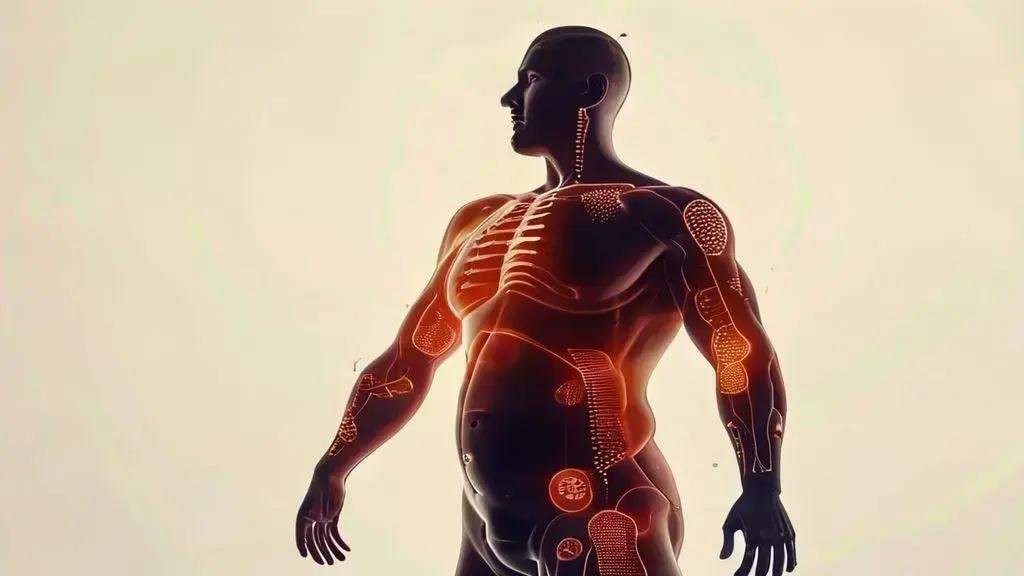
Fat storage mode is a metabolic state where your body conserves energy by storing excess calories as fat, triggered by factors like insulin spikes, stress hormones, poor sleep, and inactivity, which can be reversed by balanced nutrition, regular exercise, stress management, and proper sleep.
Fat storage is something your body tends to cling to all day long, but why exactly? Have you ever wondered what keeps your metabolism locked in this mode? Let’s unpack what drives fat storage and how it might be affecting you every day.
how fat storage mode works in the body
Your body switches to fat storage mode when it senses a need to conserve energy, often triggered by hormonal signals. This mode is a survival mechanism designed to help you store extra calories as fat for times when food is scarce.
The Role of Insulin
Insulin is a key hormone in fat storage. When you eat, especially carbohydrates, your blood sugar rises, prompting the pancreas to release insulin. Insulin helps cells absorb glucose for energy and directs excess glucose to be stored as fat. High or frequent insulin spikes encourage your body to stay in fat storage mode longer.
Energy Balance and Fat Storage
Your body’s energy balance—the calories consumed versus calories burned—affects fat storage. When calories in exceed calories out, the surplus is stored as fat. Even when you’re resting, your body prioritizes fat storage if it senses an energy surplus or stress signals.
Fat Cells and Their Function
Fat cells, or adipocytes, not only store fat but also release hormones that affect hunger, metabolism, and fat storage. When in fat storage mode, these cells expand, signaling the body to conserve energy rather than burn it.
Impact of Stress and Cortisol
Stress triggers the release of cortisol, a hormone that can promote fat storage, especially around the abdomen. Elevated cortisol levels signal your body to hold on to fat as a protective response.
Understanding how these biological processes work together helps explain why your body may remain in fat storage mode throughout the day, affecting your weight and health.
factors that trigger fat storage all day

Several factors trigger fat storage throughout the day by influencing your body’s metabolism and hormone levels. These triggers often cause your body to prioritize saving fat rather than burning it.
Diet and Meal Timing
Eating high amounts of refined carbs and sugars causes frequent spikes in insulin. Excess insulin promotes fat storage. Skipping meals or irregular eating patterns can also make the body hold onto fat, as it perceives food scarcity.
Hormonal Imbalance
Hormones like cortisol, insulin, and leptin play key roles. High cortisol from stress increases fat storage, especially around the abdomen. Insulin spikes store glucose as fat, and leptin resistance may disrupt hunger controls, encouraging fat accumulation.
Lack of Physical Activity
Being sedentary reduces calorie burn. Without enough movement, your body receives less signal to use stored fat for energy, so fat storage mode predominates.
Poor Sleep Patterns
Insufficient sleep disrupts hormones that regulate hunger and metabolism, such as ghrelin and leptin. This can lead to increased appetite, insulin resistance, and persistent fat storage.
Chronic Stress
Chronic stress elevates cortisol consistently, pushing your body to store fat as a defense mechanism. Stress also impacts sleep and eating habits, contributing further to fat storage.
Understanding these triggers allows you to adjust habits and reduce continuous fat storage, promoting better energy use and weight management.
daily habits that keep your body in fat storage
Certain daily habits contribute significantly to keeping your body in fat storage mode, making it harder to lose weight or maintain a healthy balance.
Poor Diet Choices
Eating foods high in sugar, refined carbs, and unhealthy fats signals your body to store fat. Excessive snacking and large portion sizes increase calorie intake, fueling fat storage instead of fat burning.
Lack of Regular Exercise
Physical inactivity reduces your metabolism and the body’s ability to burn stored fat. Without enough movement, fat cells remain full and signal the body to continue storing energy as fat.
Irregular Sleep Patterns
Skipping sleep or not getting enough quality rest disrupts hormone balance, especially hormones like leptin and ghrelin that regulate hunger and fullness. Poor sleep can increase cravings and fat storage tendencies.
Chronic Stress
Constant stress raises cortisol levels, which directly promotes fat accumulation, particularly in the belly area. Stress also encourages emotional eating and unhealthy habits that support fat storage.
Consistent Overeating
Consuming more calories than your body needs every day overwhelms your system. The excess energy is stored as fat because your body wants to conserve this fuel for future use.
Understanding these habits and making small adjustments can help shift your metabolism away from fat storage and toward fat burning.
effects of prolonged fat storage on health
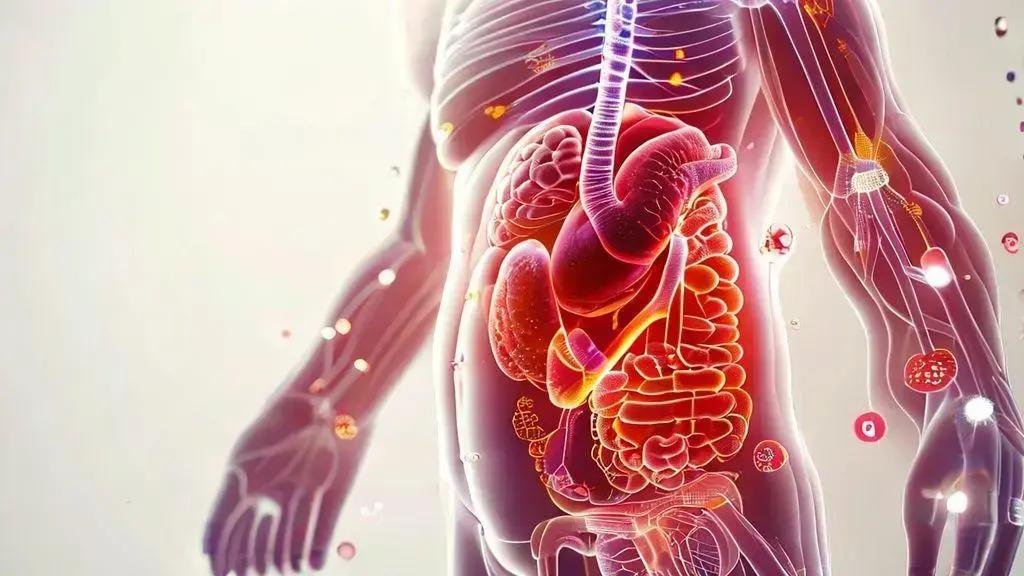
Prolonged fat storage can have serious effects on overall health. When fat accumulates over time, it often leads to conditions that affect both the body and mind.
Increased Risk of Metabolic Diseases
Long-term fat storage is strongly linked to metabolic problems like type 2 diabetes and insulin resistance. Excess fat, especially around the abdomen, disrupts how your body processes sugar and insulin.
Cardiovascular Issues
Extra fat can cause high blood pressure, raise cholesterol levels, and contribute to atherosclerosis. These problems increase the risk of heart attacks and strokes.
Joint and Mobility Problems
Carrying too much fat puts stress on joints and bones, often leading to pain, arthritis, and reduced mobility, which can limit physical activity and worsen health.
Fatty Liver and Organ Stress
Excess fat sometimes stores in organs like the liver, leading to fatty liver disease. This condition affects liver function and can cause inflammation or damage over time.
Impact on Mental Health
Prolonged fat storage may increase inflammation and affect brain function. It is linked to a higher risk of depression, anxiety, and lower self-esteem.
Understanding these effects underscores the importance of managing fat storage to protect your health and improve quality of life.
strategies to shift out of fat storage mode
To move your body out of fat storage mode and into fat burning, several effective strategies can be adopted that focus on diet, exercise, and lifestyle changes.
Balanced Nutrition
Eating a diet rich in whole foods, lean proteins, healthy fats, and fiber helps regulate blood sugar and reduce insulin spikes. Avoiding processed foods and limiting added sugars can lower fat storage triggers.
Regular Physical Activity
Engaging in both aerobic exercises and strength training increases calorie burn and builds muscle, which boosts metabolism. Exercise signals your body to use stored fat for energy rather than keeping it locked away.
Manage Stress Levels
Reducing chronic stress through techniques like meditation, deep breathing, or yoga lowers cortisol levels. This helps prevent stress-related fat accumulation, especially around the midsection.
Improve Sleep Quality
Getting consistent, restful sleep supports hormone balance. Adequate sleep regulates hunger hormones and helps maintain healthy metabolism, enabling better fat burning.
Intermittent Fasting and Meal Timing
Some find that intermittent fasting or eating during a limited time window helps reduce overall calorie intake and insulin response, promoting fat breakdown. However, meal timing should fit your lifestyle and health needs.
Adopting these strategies can help shift your body from constantly storing fat to efficiently burning it, improving overall health and weight management.
Taking Control of Your Fat Storage
Understanding why your body stays in fat storage mode can help you make better choices every day. Simple changes in diet, exercise, stress management, and sleep can have a big impact on your metabolism.
By adopting healthy habits and strategies, you can encourage your body to burn stored fat and improve your overall health. Remember, small steps lead to lasting results.
Stay consistent and patient, and your body will respond positively, helping you feel better and more energized.
FAQ – Understanding Fat Storage and How to Manage It
What is fat storage mode in the body?
Fat storage mode is when your body conserves energy by storing excess calories as fat, often triggered by hormones like insulin and cortisol.
How does stress affect fat storage?
Chronic stress raises cortisol levels, which signals your body to store more fat, especially around the belly area.
Can diet influence fat storage all day?
Yes, eating too many refined carbs and sugars causes insulin spikes that promote fat storage throughout the day.
Why is sleep important for managing fat storage?
Poor sleep disrupts hormones that regulate hunger and metabolism, making it easier for your body to stay in fat storage mode.
How does physical activity help shift the body out of fat storage mode?
Regular exercise increases calorie burn and builds muscle, which boosts metabolism and encourages the body to use stored fat for energy.
What daily habits can reduce fat storage?
Healthy eating, regular exercise, good sleep, and stress management are key habits that help reduce fat storage and support fat burning.