

Women burn fat differently after 30 due to metabolic slowdown, hormonal shifts, muscle mass loss, and the need for tailored diet and exercise to maintain effective fat loss.
Fat burning doesn’t happen the same way for women after 30, and that’s more than just a cliché. Have you ever wondered why losing those extra pounds feels trickier as the years go by? Let’s explore what’s behind this shift and what actually happens inside your body.
how metabolism shifts in women after 30
As women enter their 30s, their metabolism begins to change in subtle but significant ways. Metabolism refers to the process your body uses to convert food into energy. After 30, the resting metabolic rate tends to slow down, meaning women burn fewer calories while at rest than in their 20s.
This change is partly due to a natural decrease in muscle mass, as muscle tissue burns more calories than fat tissue. Even small declines in muscle can lead to noticeable shifts in energy use. Additionally, hormonal fluctuations affect how the body processes and stores nutrients, influencing fat accumulation and energy expenditure.
Age-related changes in lifestyle and activity levels often contribute as well. Women may become less active or face greater stress, which can further impact metabolism. Understanding these shifts can help tailor diet and exercise plans that accommodate a slowing metabolism while supporting healthy weight management.
How muscle mass impacts metabolism
Maintaining or increasing muscle mass through strength training is crucial because muscles are metabolically active. Stronger muscles help counterbalance the metabolic slowdown, enabling better calorie burning throughout the day. This also improves overall body composition by reducing fat percentage.
Metabolic adaptation and energy balance
The body adapts to lower calorie needs by conserving energy, which means drastic calorie cuts can backfire, slowing metabolism even further. It’s important to balance nutrition and physical activity to support metabolism without triggering this adaptation.
hormonal influences on fat burning

Hormones play a key role in how fat burning works, especially for women after 30. Changes in hormones like estrogen, progesterone, and insulin significantly affect the body’s ability to burn fat efficiently. For example, lower estrogen levels during and after the 30s can slow metabolism and shift fat storage towards the abdomen.
Estrogen and fat distribution
Estrogen influences where fat is stored, often favoring hips and thighs. When estrogen levels drop, fat tends to accumulate around the belly, which can be harder to lose. This shift not only impacts appearance but also affects metabolic health.
Progesterone’s impact on metabolism
Progesterone helps regulate metabolism and can influence appetite. Imbalances may lead to water retention and increased fat storage, making weight loss more challenging.
Insulin sensitivity and fat burning
After 30, insulin sensitivity can decrease, meaning the body handles sugar less efficiently. This can result in higher blood sugar and increased fat storage, especially if diet is high in refined carbs and sugars.
Understanding these hormonal changes helps create effective strategies for fat burning through diet, exercise, and possibly medical guidance.
the role of muscle mass in women’s fat loss
Muscle mass plays a critical role in fat loss for women, especially after 30. Muscle tissue burns more calories than fat, even when the body is at rest. This means that the more muscle you have, the higher your resting metabolic rate, making fat loss easier and more sustainable.
As women age, they naturally lose muscle mass, a process called sarcopenia. This loss can slow metabolism and make fat burning more difficult. But building or maintaining muscle mass through resistance training can help offset this decline.
Benefits of increased muscle mass
Stronger muscles improve the body’s ability to burn fat by increasing calorie expenditure during both exercise and rest. Muscle also improves insulin sensitivity, which helps regulate blood sugar and reduce fat storage.
Effective ways to build and preserve muscle
Incorporating strength training exercises like weight lifting, bodyweight exercises, or resistance bands can stimulate muscle growth. Protein intake is also essential for muscle repair and growth.
By focusing on muscle mass, women after 30 can boost their fat loss efforts, improve body composition, and support long-term health.
diet adjustments for effective fat burning post-30
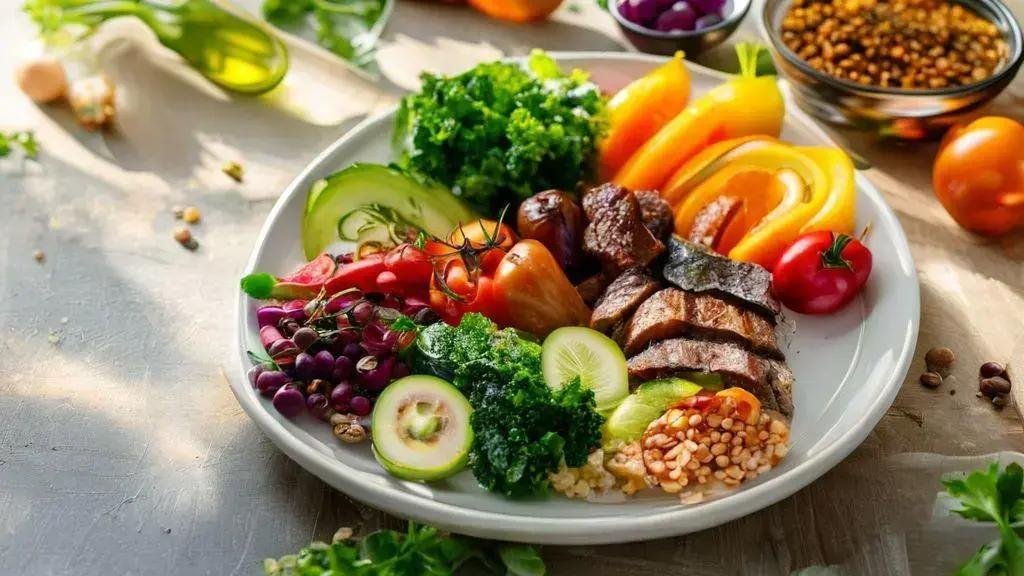
After 30, women’s bodies often require different nutritional approaches to support effective fat burning. Metabolism and hormone changes affect how calories are processed, making diet adjustments important for maintaining or losing weight.
Focus on protein intake
Protein is essential for preserving muscle mass and boosting metabolism. Including lean meats, fish, eggs, beans, and dairy helps repair muscles and keeps you feeling full longer.
Balance carbohydrates wisely
Opt for complex carbohydrates like whole grains, vegetables, and fruits rather than refined sugars. These provide steady energy without causing insulin spikes that promote fat storage.
Include healthy fats
Healthy fats found in nuts, seeds, avocados, and olive oil support hormone production and improve fat metabolism. They also help keep hunger at bay.
Manage portions and meal timing
Smaller, frequent meals can stabilize blood sugar and prevent overeating. Being mindful of portion sizes helps avoid excess calorie intake that leads to fat gain.
Stay hydrated and reduce processed foods
Water aids metabolism and digestion. Reducing processed foods and added sugars minimizes inflammation and supports fat loss efforts.
Adapting your diet with these adjustments can make a significant difference in how your body burns fat after 30.
exercise strategies tailored to women over 30
Exercise becomes a critical factor for fat burning and overall health as women pass 30. Focusing on the right exercise strategies tailored to this phase can help counteract metabolic slowdowns and hormonal changes.
Incorporate strength training
Building muscle through strength training exercises like weightlifting, bodyweight workouts, and resistance bands increases metabolism and helps maintain muscle mass lost with age. It also improves bone density and joint health.
Include cardio workouts
Cardiovascular exercises such as brisk walking, running, cycling, or swimming burn calories and improve heart health. High-intensity interval training (HIIT) mixes short bursts of intense activity with rest and is particularly effective for fat loss.
Prioritize flexibility and balance
Yoga, Pilates, and stretching exercises enhance flexibility and balance, reducing injury risk and improving posture. These support overall fitness and complement strength and cardio workouts.
Allow adequate recovery
Women over 30 benefit from sufficient rest between intense workouts to allow muscle repair and prevent burnout. Quality sleep and active recovery like light walking or stretching contribute to better results.
Combining these exercise strategies creates a balanced approach tailored to the needs of women over 30, helping boost fat burning and supporting long-term wellness.
Understanding and Adapting to Changes After 30
Women experience important changes in fat burning after 30 due to shifts in metabolism, hormones, muscle mass, diet, and exercise needs. By understanding these factors, it becomes easier to adapt lifestyle choices that support fat loss and overall health.
Focusing on balanced nutrition, maintaining or increasing muscle mass, and choosing effective exercise strategies tailored for this stage can make a significant difference. Small, consistent changes build a strong foundation for long-term wellness.
Listening to your body and adjusting habits with knowledge and care helps you navigate these changes confidently. Embracing these strategies can lead to more effective fat burning and a healthier lifestyle beyond 30.
FAQ – Common Questions About Fat Burning for Women After 30
Why do women burn fat differently after 30?
Changes in metabolism, hormones, and muscle mass after 30 affect how women burn fat and store energy, making fat loss more challenging.
How do hormones affect fat burning in women over 30?
Hormones like estrogen, progesterone, and insulin influence fat distribution and metabolism, often slowing fat burning as levels shift with age.
What role does muscle mass play in fat loss after 30?
Muscle mass increases resting metabolism, so maintaining or building muscle through strength training helps women burn more calories and lose fat effectively.
How should diet be adjusted for fat burning after 30?
Women should focus on higher protein intake, balanced complex carbs, healthy fats, portion control, and reducing processed foods to support fat loss.
What types of exercises are best for women over 30 to burn fat?
A mix of strength training, cardio exercises like HIIT, and flexibility routines such as yoga helps boost metabolism, preserve muscle, and improve overall fitness.
Can lifestyle changes help improve fat burning after 30?
Yes, consistent exercise, balanced nutrition, proper rest, and stress management all contribute to better fat burning and metabolic health after 30.