

Fat loss after 35 is difficult due to slower metabolism, hormonal changes, reduced muscle mass, and altered nutrition and exercise needs that require tailored lifestyle adjustments.
Fat loss after 35 often feels like a puzzle missing a few pieces. Have you noticed that the same habits once worked but now barely make a dent? Let’s unravel why it feels so tough and what might help turn things around.
how metabolism changes affect fat loss
As we age past 35, our metabolism naturally slows down. This means the number of calories your body burns at rest decreases, making it harder to lose fat even if you maintain the same diet or exercise routine. The reduction in lean muscle mass is a big reason behind this metabolic drop since muscles burn more calories than fat does.
Additionally, cellular processes become less efficient, affecting how your body converts food to energy. This shift can lead to more calories being stored as fat. You might notice that you feel hungrier or crave higher-calorie foods, which can also impact fat loss efforts.
Ways to Boost Metabolism After 35
Strength training is crucial because increasing muscle mass can elevate your resting metabolic rate. Including exercises like weightlifting or resistance bands in your routine makes a significant difference. Also, staying active throughout the day—like walking or taking stairs—adds to total calorie burn.
Eating protein-rich meals triggers a higher thermic effect, meaning your body uses more energy to digest protein versus fats or carbs. Hydration and quality sleep further support metabolic health by regulating hormones that influence hunger and metabolism.
Understanding these metabolic changes is key to adjusting your lifestyle and nutrition in a way that supports sustainable fat loss as you age.
the role of hormones after 35

After 35, hormonal changes play a major role in why fat loss feels more difficult. Hormones like estrogen, testosterone, and cortisol shift in levels, impacting how your body stores fat and how easily you burn calories.
For women, declining estrogen during perimenopause and menopause can lead to more fat being stored around the abdomen instead of hips and thighs. This change also slows metabolism and reduces muscle mass.
In men, testosterone naturally drops with age, which can decrease muscle strength and increase fat accumulation. Both men and women may experience elevated cortisol levels due to stress, which promotes fat storage, especially visceral fat around organs.
Managing Hormones to Support Fat Loss
Balanced nutrition can help regulate hormones. Eating foods rich in healthy fats, fiber, and protein supports hormone production and stability. Avoiding excess sugar and processed foods can keep insulin and cortisol levels in check.
Regular exercise, including strength training and cardio, also helps balance hormones by improving insulin sensitivity and boosting testosterone or estrogen levels. Getting enough sleep is critical because poor rest disrupts hormone production.
Understanding the impact of hormones after 35 lets you take action that supports healthy fat loss tailored to your body’s changing needs.
why muscle mass impacts weight loss
Muscle mass has a direct impact on weight loss because muscles burn more calories than fat, even when you’re resting. This means that the more muscle you have, the higher your basal metabolic rate (BMR) will be, helping you burn more calories throughout the day.
After 35, many people naturally lose muscle due to aging and less physical activity. This decline makes it harder to lose fat because your metabolism slows down. Maintaining or building muscle through strength training can help offset this change and improve your body’s ability to burn fat.
The Importance of Strength Training
Engaging in resistance exercises like weight lifting, bodyweight workouts, or using resistance bands can help increase muscle mass. These activities not only increase muscle size but also improve muscle quality and function, which supports overall fat loss.
Protein intake is also vital, as protein provides the essential building blocks for muscle repair and growth. Consuming enough protein alongside regular exercise ensures your muscles get the nutrients they need.
In summary, prioritizing muscle mass through exercise and nutrition helps boost metabolism, making fat loss more achievable and sustainable after 35.
nutrition tips for better fat burning
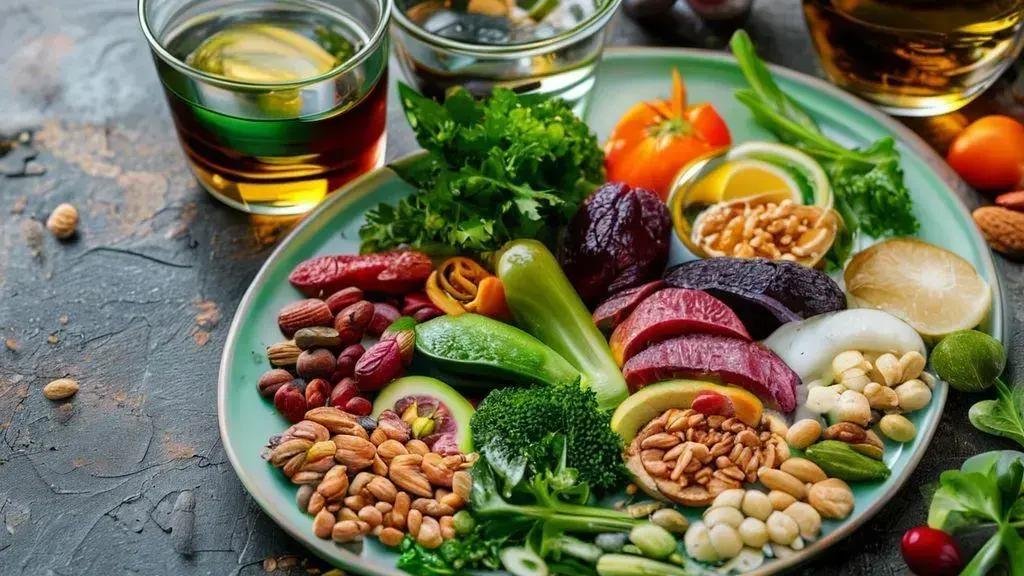
Proper nutrition is essential for effective fat burning. Focus on whole, unprocessed foods like vegetables, fruits, lean proteins, and healthy fats to support your metabolism and maintain energy throughout the day.
Eating smaller, balanced meals every 3 to 4 hours helps keep your blood sugar stable and prevents overeating. Including protein in every meal is important because it boosts metabolism through the thermic effect of food and helps preserve muscle mass.
Foods That Support Fat Loss
Incorporate foods high in fiber such as broccoli, beans, and whole grains. Fiber helps you feel full longer and improves digestion. Healthy fats like avocados, nuts, and olive oil support hormone balance and overall health.
Limit refined sugars and processed carbs, which can cause insulin spikes leading to fat storage. Drinking plenty of water also aids fat metabolism by supporting your body’s detoxification processes.
Additionally, some spices like chili peppers and green tea extracts have been shown to slightly boost fat burning by increasing thermogenesis.
By following these nutrition tips, you can enhance your body’s ability to burn fat more efficiently after 35.
effective exercise routines for aging bodies
Effective exercise routines for aging bodies focus on maintaining strength, flexibility, and cardiovascular health without causing injury. A balanced plan should combine strength training, aerobic activities, and flexibility exercises.
Strength training is essential for preserving muscle mass, which naturally declines with age. Exercises using weights, resistance bands, or bodyweight help maintain muscle tone and boost metabolism. Aim for two to three sessions per week targeting all major muscle groups.
Cardio and Flexibility
Cardiovascular exercises like walking, swimming, or cycling improve heart health and endurance. Low-impact activities reduce stress on joints while still burning calories, making them ideal for people over 35.
Incorporating stretching or yoga enhances flexibility and balance, reducing the risk of falls and improving overall mobility. Gentle stretching after workouts helps in muscle recovery and keeps joints healthy.
Consistency and moderation are key. Listen to your body to avoid overtraining, and gradually increase intensity or duration. Combining different types of exercises ensures a holistic approach to fitness as you age.
Why fat loss feels challenging after 35
Fat loss after 35 can feel tough due to changes in metabolism, hormones, muscle mass, nutrition, and exercise needs. Understanding these factors helps you adapt your lifestyle effectively.
By focusing on maintaining muscle, balancing hormones, choosing the right foods, and following suitable workouts, you can support your body’s fat-burning capabilities.
Consistency and patience are key as your body adjusts. With informed choices, fat loss after 35 is achievable and sustainable for long-term health.
FAQ – Common questions about fat loss after 35
Why is fat loss harder after 35?
After 35, changes in metabolism, hormones, and muscle mass make it harder to burn fat compared to younger years.
How do hormones affect fat loss after 35?
Hormonal shifts such as lower estrogen or testosterone and higher cortisol can increase fat storage and reduce muscle mass.
What role does muscle mass play in weight loss?
Muscle burns more calories than fat, so maintaining or building muscle helps increase metabolism and supports fat loss.
What are the best nutrition tips for fat burning?
Focus on protein-rich, whole foods, eat balanced meals regularly, stay hydrated, and limit sugars and processed carbs.
Which exercises are effective for aging bodies?
A mix of strength training, low-impact cardio, and flexibility exercises works well to maintain muscle and heart health.
How can I boost metabolism after 35?
Regular strength training, staying active, eating protein-rich foods, hydration, and quality sleep all help improve metabolism.