
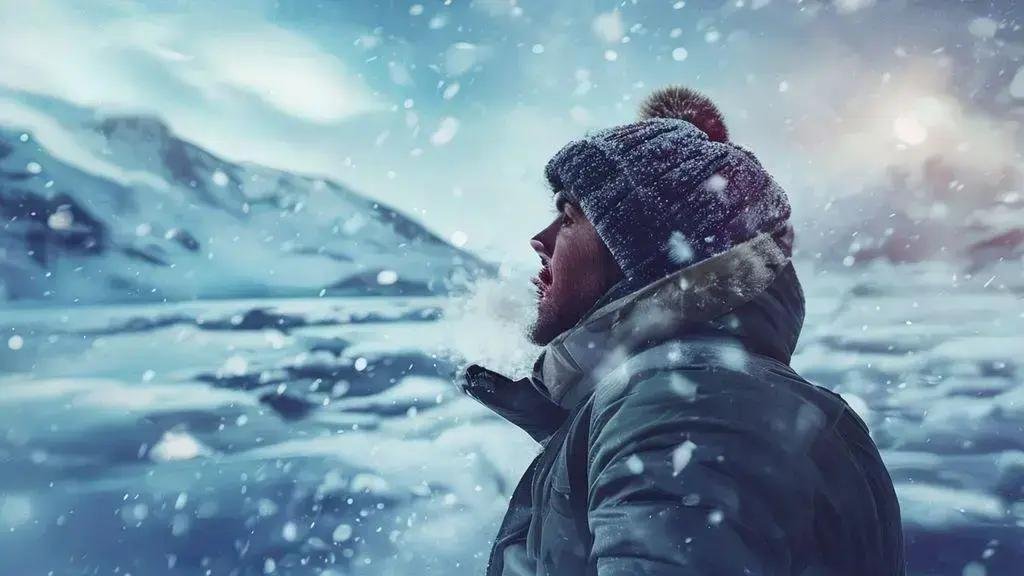
Cold exposure activates brown fat and hormonal responses that increase metabolism and promote fat burning through thermogenesis and improved insulin sensitivity.
Have you ever wondered why cold exposure is often linked to fat burning? It’s a fascinating connection that goes beyond just shivering in the cold. Let’s explore how chilling your body might actually spark your metabolism and help with fat loss, without making you feel like a popsicle.
how cold exposure activates fat burning in the body
Cold exposure triggers fat burning primarily by activating brown adipose tissue (brown fat), a special type of fat that generates heat by burning calories. Unlike white fat, which stores energy, brown fat uses energy to produce warmth when the body is exposed to cold temperatures.
When your body senses cold, it sends signals that increase metabolism, prompting brown fat to break down fatty acids and glucose to create heat—a process called thermogenesis. This not only helps maintain body temperature but also accelerates calorie burning.
Additionally, cold exposure stimulates the nervous system to release norepinephrine, a hormone that encourages the breakdown of fat cells for energy. As a result, regular exposure to cold can help reduce fat stores over time.
How shivering contributes
Shivering is an involuntary muscle activity that generates heat by rapidly contracting muscles. This subtle increase in muscle activity can further boost calorie use, aiding fat burning in the process.
Overall, cold exposure activates multiple biological mechanisms that enhance fat burning, making it a natural way to support weight management and improve metabolic health.
the role of brown fat and metabolism
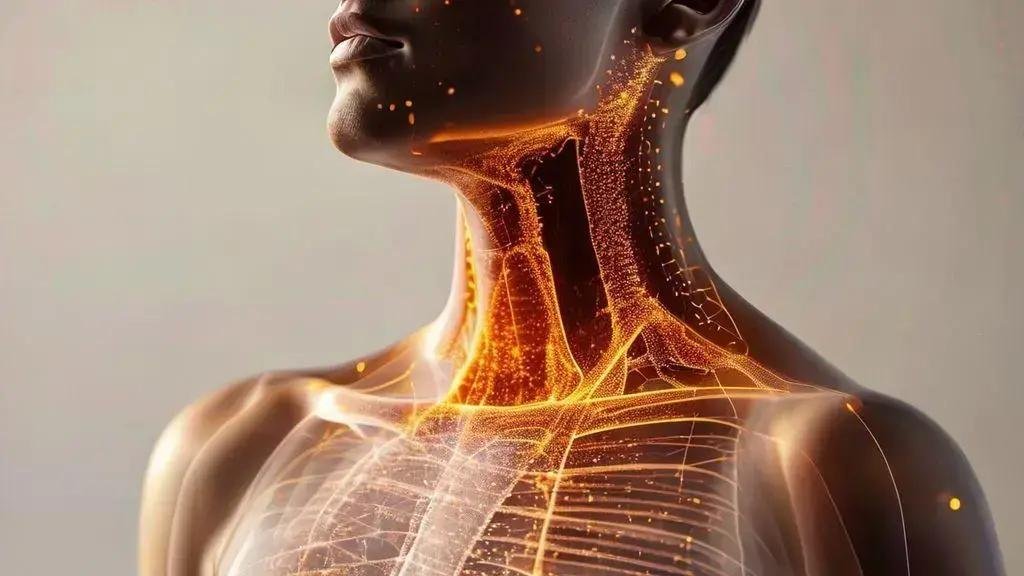
Brown fat, also known as brown adipose tissue, plays a crucial role in regulating metabolism and supporting fat burning. Unlike white fat that stores energy, brown fat’s main purpose is to generate heat by burning calories. It contains many mitochondria which give it the brown color and enable it to produce energy through a process called non-shivering thermogenesis.
When the body is exposed to cold, brown fat activates and consumes glucose and fatty acids to produce heat. This activation boosts overall metabolic rate, helping the body burn more calories even at rest.
Brown fat versus white fat
While white fat primarily stores excess energy, brown fat helps to dissipate energy as heat. Higher amounts of brown fat are linked to better calorie burning and improved metabolism, which can contribute to weight management.
Studies show that adults with more active brown fat tend to have a lower risk of metabolic diseases like diabetes and obesity. Stimulating brown fat, therefore, is a promising way to enhance metabolic health.
How to support brown fat activity
Cold exposure is one effective method to activate brown fat, but certain lifestyle habits like regular exercise and a balanced diet rich in healthy fats may also promote its function. Understanding the role of brown fat gives insight into natural ways to boost metabolism through fat burning.
impacts of cold exposure on hormone regulation
Cold exposure impacts hormone regulation by triggering the release of several important hormones that influence fat burning and metabolism. One key hormone is norepinephrine, which increases when the body is cold and helps stimulate the breakdown of fat cells to be used as energy.
Additionally, cold exposure can affect insulin sensitivity, improving the body’s ability to regulate blood sugar levels. Better insulin sensitivity reduces fat storage and supports weight management.
Other hormone changes
Exposure to cold also influences the release of thyroid hormones, which control metabolism. Increased thyroid activity can raise the metabolic rate, helping the body burn more calories throughout the day.
Moreover, cold stress can increase levels of adrenaline, which works alongside norepinephrine to promote fat breakdown and prepare the body for ‘fight or flight’ energy needs.
These hormonal changes triggered by cold exposure create a metabolic environment that supports fat burning and overall energy balance, making cold exposure a potential natural tool for supporting metabolic health.
practical cold exposure methods for fat loss

Practical cold exposure methods for fat loss include simple activities you can safely incorporate into your routine. One effective approach is taking cold showers. Start with warm water and gradually lower the temperature for short bursts of 30 seconds to a few minutes to stimulate brown fat and metabolism.
Cold water immersion
Another method is cold water immersion, such as ice baths or swimming in cold water. This should be done cautiously and not exceeded beyond a few minutes to avoid hypothermia. It can activate fat burning and improve circulation.
Additionally, spending time outdoors in cold weather with minimal clothing, while ensuring safety and comfort, can help the body adapt and boost fat metabolism over time.
Wear cooling gear
Using cooling vests or garments designed to lower skin temperature can also provide targeted cold exposure without extreme discomfort. These tools aid in activating brown fat and increasing calorie burn.
It’s important to listen to your body during cold exposure and gradually build tolerance. Always consult a healthcare professional if you have health concerns before starting cold therapy for fat loss.
potential risks and precautions with cold therapy
Cold therapy can offer many benefits, but it also carries potential risks that should be carefully considered. One major risk is hypothermia, which occurs when the body loses heat faster than it can produce it. Prolonged exposure to extreme cold can dangerously lower body temperature.
Frostbite and skin damage
Another concern is frostbite, which happens when skin and underlying tissues freeze due to intense cold. It often affects fingers, toes, ears, and nose. Protecting these areas and limiting the exposure time is crucial.
People with certain medical conditions such as cardiovascular problems, Raynaud’s disease, or poor circulation should consult a healthcare provider before trying cold therapy, as the sudden cold shock may trigger adverse effects.
How to take precautions
It is important to start slow with cold exposure and never expose yourself to freezing temperatures for too long. Monitor how your body reacts, and if you feel numbness, excessive shivering, or pain, it’s best to stop immediately.
Wearing appropriate gear, warming up gradually after exposure, and avoiding cold therapy when ill or injured are good safety practices. Proper guidance and moderation are key to enjoying cold therapy without harm.
Understanding the link between cold exposure and fat burning
Cold exposure activates powerful processes in the body that promote fat burning by stimulating brown fat and regulating important hormones. These natural mechanisms can help support metabolism and weight management.
While cold therapy offers promising benefits, it’s important to use safe and practical methods and be aware of potential risks. Starting slowly and listening to your body ensures a positive experience.
Incorporating cold exposure thoughtfully into your routine may be a valuable tool for boosting fat burning and improving overall health.
FAQ – Common questions about cold exposure and fat burning
What is brown fat and why is it important for fat burning?
Brown fat is a type of fat that burns calories to produce heat. It helps increase metabolism and supports fat burning, especially when activated by cold exposure.
How does cold exposure affect hormone regulation?
Cold exposure triggers the release of hormones like norepinephrine and thyroid hormones that boost metabolism and promote the breakdown of fat for energy.
Are there safe ways to practice cold exposure at home?
Yes, safe methods include taking cold showers, short cold water immersion, and spending brief time outdoors in cold weather while monitoring your body’s response.
What are the risks associated with cold therapy?
Risks include hypothermia and frostbite. People with certain medical conditions should consult a doctor before trying cold therapy, and exposure time should be limited.
Can cold exposure help with weight loss?
Cold exposure can increase calorie burning by activating brown fat and hormones that promote fat breakdown, which may support weight loss as part of a healthy lifestyle.
How should I start cold exposure to avoid negative effects?
Start gradually by lowering water temperature during showers or brief cold exposure sessions. Always listen to your body and stop if you experience discomfort or numbness.