
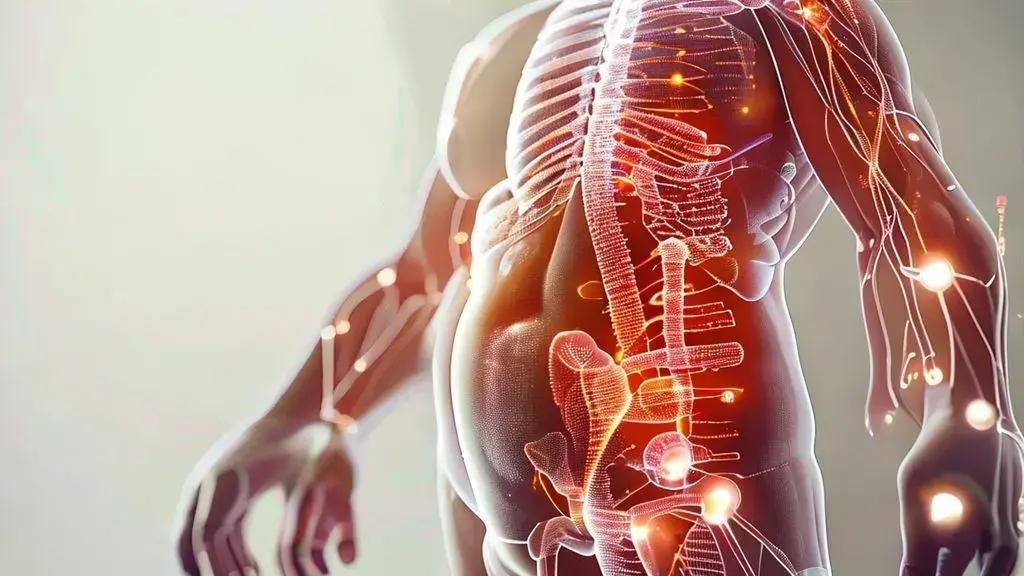
Metabolism stuck in storage mode means the body conserves energy by slowing calorie burn and increasing fat storage due to factors like low calorie intake, stress, and inactivity, causing fatigue, weight gain, and slowed weight loss.
Have you ever felt your body is in a sluggish state, almost like it’s stuck in a metabolism storage mode? That curious hold can really puzzle us. Let’s dive into what happens inside and why it matters to your everyday life.
understanding storage mode in the body
The body enters storage mode when it perceives a shortage of available energy. In this state, it conserves calories by storing excess energy as fat instead of using it immediately. This natural survival mechanism can be triggered by factors such as prolonged dieting, stress, or lack of physical activity.
How Storage Mode Works
When your body senses fewer calories or nutrients than it needs, metabolic processes slow down to preserve energy. Hormones like insulin and cortisol play a big role in signaling the body to hold onto fat stores, reducing the amount of energy burned at rest.
Impact on Daily Functions
While in storage mode, you might feel more tired and notice increased cravings for high-calorie foods. This happens because the body is trying to encourage you to replenish energy reserves. Weight loss may stall, and the metabolism may become less efficient, making it harder to lose fat.
Examples of Triggers
Skipping meals frequently, following extreme calorie-restricted diets, or enduring long periods of stress can push your body into this protective storage state. Even inconsistent eating patterns disrupt your metabolism, causing it to adapt by slowing down.
Understanding storage mode helps identify why sudden weight loss stops or why energy levels drop. By recognizing these signs, you can adjust habits to support a more balanced metabolism.
signs your metabolism is stuck in storage mode

When your metabolism is stuck in storage mode, your body shows clear signs that energy use has slowed down. These signs help you identify if your body is holding onto fat and reducing calorie burn.
Common Physical Signs
You might notice unexpected weight gain or difficulty losing weight despite efforts. Fat accumulation, especially around the abdomen, is common. Feeling cold more often and experiencing low energy or fatigue are also typical because your body is conserving resources.
Changes in Appetite and Mood
Increased cravings for sugary or high-fat foods occur as your body seeks easy energy sources. You may also feel hungry more frequently or have mood swings due to hormonal shifts affecting serotonin and cortisol levels.
Performance and Recovery Issues
Exercise might feel harder, and recovery can take longer. You could experience muscle weakness or a decline in stamina. This happens because your body prioritizes conserving energy over physical exertion.
Recognizing these signs early allows for adjustments in diet, activity, and stress management to help reactivate your metabolism and improve overall energy balance.
how storage mode affects energy and weight
When your body is in storage mode, energy use slows down to preserve fat and calories. This results in less energy available for daily activities, making you feel more tired and less active. The slow metabolism means fewer calories are burned, which can lead to weight gain over time.
Energy Conservation
In storage mode, the body reduces the number of calories it burns while at rest and during activity. This decrease in metabolic rate helps protect against starvation but can cause fatigue and low motivation. Your body becomes more efficient at storing energy rather than spending it.
Weight Impact
Because fewer calories are burned, excess calories are stored as fat, especially around the belly and hips. Losing weight becomes slower and harder, even when eating less. This can be frustrating for many trying to maintain or reduce body weight.
Fat Storage and Hormones
Storage mode affects hormones like insulin and leptin, which regulate hunger and fat storage. Higher insulin levels promote fat storage, while leptin resistance can cause increased appetite. These hormonal changes maintain the storage state and make it challenging to break free.
Understanding how storage mode affects energy and weight is key to recognizing why some weight loss efforts stall and why energy levels can dip unexpectedly.
causes that trigger the storage mode response

The storage mode response in the body is triggered by several common causes that signal a need to conserve energy. Understanding these triggers can help explain why the body switches to storing fat even when it seems unnecessary.
Caloric Restriction and Fasting
When calorie intake drops suddenly or remains too low for a long time, the body responds by reducing metabolism and increasing fat storage to protect against starvation. This is common in extreme diets or irregular eating patterns.
Chronic Stress
Stress causes the release of hormones like cortisol, which signals the body to hold onto fat and slow metabolism. High stress levels can promote fat accumulation, especially around the belly, due to this hormonal effect.
Lack of Physical Activity
A sedentary lifestyle diminishes calorie expenditure. With fewer calories burned, the body tends to store more energy as fat. Regular movement helps keep metabolism active and reduces the chances of storage mode.
Poor Sleep Quality
Insufficient or disrupted sleep affects hormones that regulate hunger and metabolism, like leptin and ghrelin. Poor sleep can encourage the storage mode response by making the body believe it needs extra energy reserves.
Recognizing these causes can guide lifestyle changes to prevent or reverse storage mode activation, supporting a healthier metabolism and weight management.
strategies to reactivate your metabolism effectively
Reactivating your metabolism requires a combination of lifestyle changes that boost energy expenditure and improve overall metabolic function. Simple adjustments can help shift your body out of storage mode and increase calorie burn.
Prioritize Balanced Nutrition
Eating regular, well-balanced meals supports steady energy levels and prevents the body from going into conservation mode. Include plenty of protein, healthy fats, and fiber-rich foods to maintain muscle and regulate hunger hormones effectively.
Incorporate Strength Training
Building muscle mass through strength training is a powerful way to increase resting metabolism. Muscle tissue burns more calories even when you’re not active, helping to counteract slow metabolic rates caused by storage mode.
Increase Physical Activity
Adding aerobic exercises like walking, cycling, or swimming boosts your calorie burn and improves heart health. Even small increases in daily movement, such as taking stairs or standing more, contribute to higher metabolism.
Manage Stress and Sleep Well
Reducing stress helps lower cortisol levels, which are linked to fat storage. Adequate, quality sleep supports hormone balance and restores metabolic health. Aim for 7-9 hours per night and use relaxation techniques if needed.
Combining these strategies helps reset your body’s energy use, promotes fat loss, and supports long-term metabolic health.
Understanding and managing your metabolism is key
Being stuck in storage mode can impact your energy, weight, and overall health. Recognizing the signs and causes helps you make informed changes to improve your metabolism.
Making simple adjustments in diet, exercise, stress, and sleep can reactivate your metabolism effectively. These steps not only help your body burn energy better but also support long-term health and well-being.
With patience and consistency, you can take control of your metabolism and feel more energetic every day.
FAQ – What Happens When Your Body Is Stuck in Storage Mode
What does it mean when my body is in storage mode?
Storage mode means your body is conserving energy by slowing metabolism and storing fat, usually due to low calorie intake or stress.
What are common signs that my metabolism is stuck in storage mode?
Signs include difficulty losing weight, increased fatigue, cold sensitivity, and cravings for high-calorie foods.
What causes the body to enter storage mode?
Triggers include prolonged caloric restriction, chronic stress, lack of physical activity, and poor sleep quality.
How does storage mode affect my energy levels?
It lowers your energy by reducing calorie burn and slowing metabolism, which can make you feel tired or less motivated to move.
Can I reactivate my metabolism if it’s stuck in storage mode?
Yes, through balanced nutrition, regular physical activity, strength training, stress management, and good sleep habits.
Why is managing stress important for metabolism?
Stress raises cortisol levels, which promotes fat storage and slows metabolism, so managing stress helps prevent or reverse storage mode.