
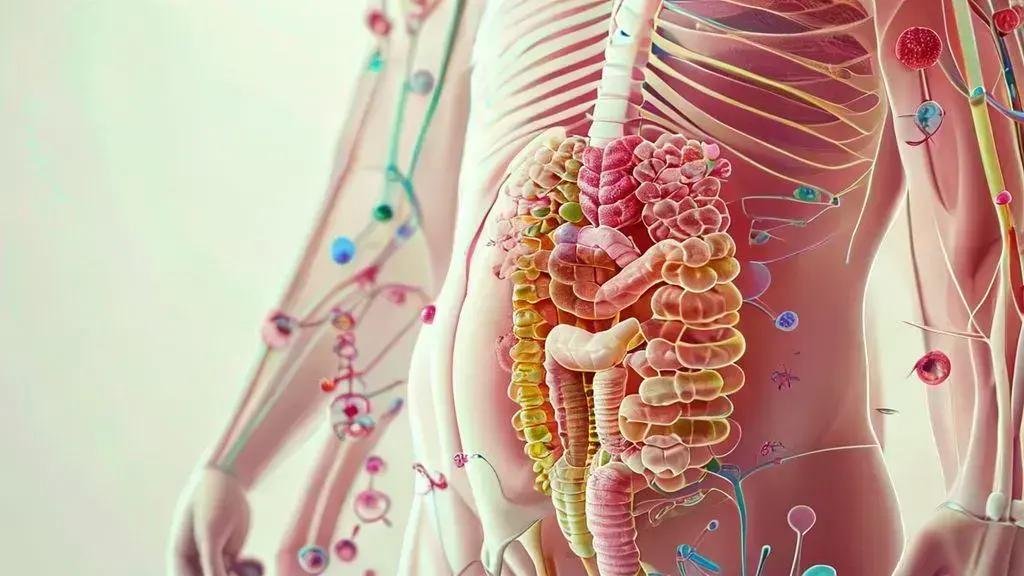
Hormones like insulin, cortisol, estrogen, and testosterone directly impact belly fat by regulating fat storage, appetite, and metabolism, making hormonal balance essential for managing belly fat effectively.
Hormones play a surprising role in where your body stores fat, especially around the belly. Ever wondered why your belly fat seems to resist diet and exercise? Let’s explore how shifting hormone levels might be the culprit and what that means for you.
how hormones affect belly fat accumulation
Hormones play a vital role in regulating how your body stores fat, especially in the belly area. Hormones like insulin, cortisol, and sex hormones influence metabolism, fat storage, and distribution. For example, when insulin levels rise, the body tends to store more fat in the abdominal area. Cortisol, known as the stress hormone, can also increase belly fat by encouraging fat cells to grow and accumulate around the midsection.
In women, changes in estrogen levels during menopause often lead to more belly fat storage. This happens because lower estrogen levels slow down fat metabolism and change fat distribution from hips and thighs to the belly. Men also experience shifts in testosterone, which can affect belly fat accumulation.
Besides these, other hormones like leptin and ghrelin regulate hunger and appetite, influencing calorie intake and fat gain. Imbalances in these hormones can cause overeating, which contributes to increased belly fat.
Understanding the hormonal influence on belly fat helps explain why some people find it harder to lose weight in this area, even with diet and exercise. Addressing hormone balance can be a critical step in managing belly fat effectively.
key hormones involved in belly fat changes
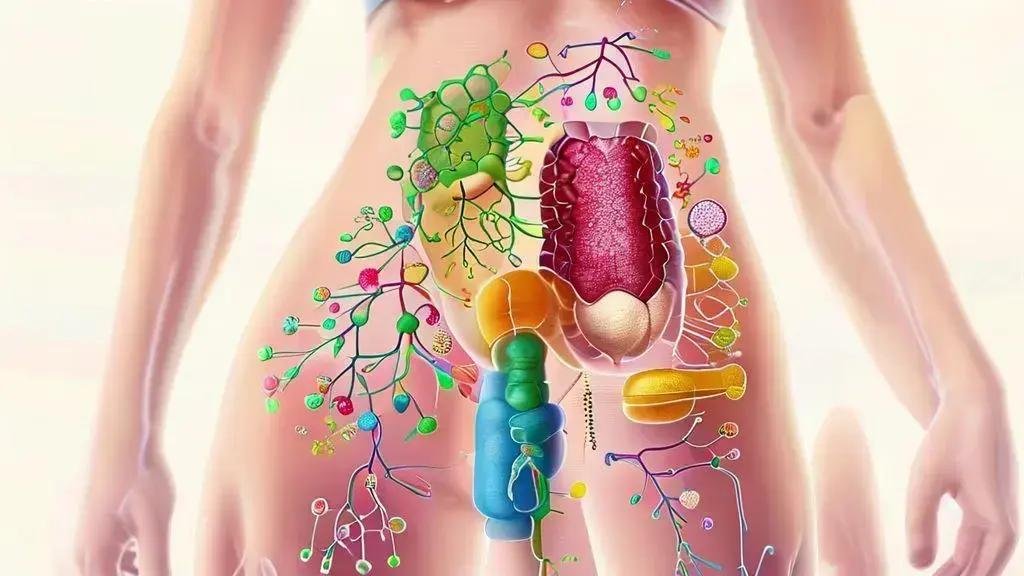
Several key hormones play significant roles in regulating fat changes in the belly. Among these, insulin helps control blood sugar but can promote fat storage when levels are high. Cortisol increases with stress and encourages fat to settle in the belly area. Another important hormone, estrogen, affects fat distribution, especially in women; lower estrogen levels during menopause often lead to increased belly fat.
Testosterone is crucial for building muscle and burning fat. Lower testosterone in men can lead to more fat accumulation around the waist. Additionally, hormones like leptin and ghrelin regulate hunger and appetite; imbalances may cause overeating and weight gain.
Understanding these hormones and their functions helps explain why belly fat can be so stubborn. Keeping these hormones balanced is essential for managing belly fat effectively through lifestyle and, sometimes, medical intervention.
the link between stress and belly fat
Stress triggers the release of cortisol, a hormone that directly affects belly fat storage. When cortisol levels stay high for long periods, it signals the body to hold onto fat, especially in the abdominal area. This is because belly fat cells have more cortisol receptors, making them particularly sensitive to stress.
High cortisol can also increase appetite and cravings for sugary or fatty foods. This combination of hormonal effects and eating habits leads to unwanted belly fat. Stress may also disrupt sleep patterns, further affecting hormones that control hunger and metabolism.
Managing stress through relaxation techniques, exercise, or mindfulness can help lower cortisol levels and reduce belly fat accumulation. Decreasing stress not only improves mental health but also supports better physical health and weight management.
lifestyle tips to balance hormones naturally

Balancing hormones naturally is possible through simple lifestyle changes. Regular exercise helps reduce cortisol levels and improves insulin sensitivity, which supports healthy fat distribution. Aim for a mix of cardio, strength training, and flexibility exercises.
Eating a balanced diet with plenty of whole foods, including fruits, vegetables, lean proteins, and healthy fats, promotes hormone health. Avoid processed foods and excessive sugars that can disrupt hormonal balance. Foods rich in omega-3 fatty acids, such as salmon and walnuts, support hormone production.
Managing stress through meditation, deep breathing, or yoga helps lower cortisol. Prioritizing quality sleep is also key because sleep affects hormones like ghrelin and leptin that control hunger and appetite.
Limiting alcohol and caffeine intake can prevent hormone disruption. Staying hydrated and maintaining a healthy weight further support hormonal balance. Together, these habits contribute to reducing belly fat influenced by hormones naturally.
when to seek medical advice for hormone-related belly fat
If you notice persistent belly fat despite a healthy diet and exercise, it might be time to seek medical advice. Hormone imbalances can cause stubborn weight gain that is hard to manage on your own. Symptoms like unexplained weight gain, fatigue, mood changes, irregular periods, or sleep problems may point to hormonal issues.
Consulting a healthcare provider can help identify underlying conditions such as thyroid disorders, polycystic ovary syndrome (PCOS), or insulin resistance. Blood tests and hormonal panels are common ways doctors assess hormone levels and guide treatment.
Early diagnosis and treatment are important to address these imbalances effectively. Medical professionals might suggest lifestyle changes, medications, or hormone therapy depending on your situation. If belly fat comes with other health concerns, do not hesitate to get a full evaluation.
Understanding Hormones and Belly Fat
Hormones play a crucial role in how your body stores belly fat, and changes in hormone levels can make weight management challenging. By learning about key hormones and how stress, diet, and lifestyle affect them, you can take meaningful steps to balance your hormones naturally.
It’s important to recognize when professional help is needed, especially if belly fat comes with other symptoms. With the right approach, you can better manage hormone-related belly fat and improve your overall health.
FAQ – Common Questions About Hormones and Belly Fat
What hormones most affect belly fat?
Insulin, cortisol, estrogen, and testosterone are some of the key hormones that influence belly fat accumulation and distribution.
How does stress increase belly fat?
Stress raises cortisol levels, which encourages fat storage around the belly and can increase appetite and cravings.
Can lifestyle changes really balance hormones?
Yes, regular exercise, a healthy diet, stress management, and quality sleep can significantly help balance hormones naturally.
When should I see a doctor about belly fat?
If belly fat persists despite healthy habits or is accompanied by symptoms like fatigue, mood changes, or irregular periods, it’s important to seek medical advice.
Does menopause affect belly fat?
Lower estrogen levels during menopause often lead to increased belly fat due to changes in how the body stores fat.
Can hormone imbalances cause weight gain even if I eat well?
Yes, imbalanced hormones can slow metabolism and increase fat storage, making weight loss difficult despite a good diet.