

Poor sleep disrupts hormones like cortisol, insulin, ghrelin, and leptin, leading to increased fat storage by slowing metabolism and increasing appetite.
Ever noticed how your weight seems to creep up despite diet and exercise? The odds are that a hidden culprit is your sleep. That simple slip in your nightly rest can push your body to store fat more easily than you think.
Why poor sleep triggers fat storage
Poor sleep disrupts your body’s ability to regulate fat storage, leading to weight gain over time. When you don’t get enough sleep, your body produces more cortisol, a stress hormone that encourages fat accumulation, especially around the abdomen. This hormonal imbalance also affects insulin sensitivity, causing your body to store more fat and impairing its ability to burn calories efficiently.
Moreover, lack of sleep alters hunger hormones such as ghrelin and leptin. Ghrelin increases, making you feel hungrier, while leptin decreases, reducing feelings of fullness. This combination can lead to overeating and poor food choices.
When sleep is consistently poor, your metabolism slows down, and your body struggles to process sugars properly. This creates an environment where fat storage becomes the body’s default response.
Understanding how sleep quality impacts fat storage can help you make better lifestyle choices. Improving your sleep hygiene could be a crucial step towards a healthier weight and overall well-being.
Hormones involved in sleep and weight gain
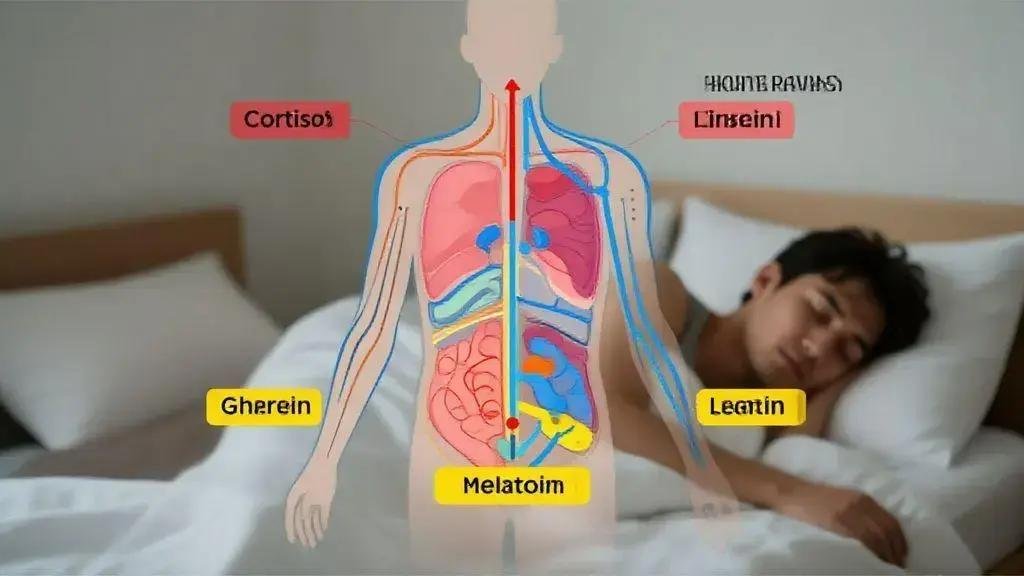
Several hormones play a key role in how sleep affects weight gain. Cortisol, often called the stress hormone, increases when you don’t get enough sleep. High cortisol levels can cause your body to store fat, especially around the belly.
Insulin is another hormone affected by sleep. Poor sleep reduces insulin sensitivity, making it harder for your body to process sugar. This can lead to increased fat storage and higher risk of type 2 diabetes.
Ghrelin and leptin are hormones that control hunger. When sleep is short, ghrelin rises, making you feel hungrier, while leptin drops, lowering your feeling of fullness. This imbalance encourages overeating and weight gain.
Melatonin, the hormone that regulates sleep-wake cycles, also influences metabolism. Disrupted sleep patterns affect melatonin, which can further impact weight regulation and energy use by the body.
Understanding these hormones highlights why good sleep is vital for maintaining a healthy weight and preventing fat accumulation.
Common sleep mistakes affecting metabolism
Many common sleep mistakes disrupt metabolism and lead to unwanted fat storage. One frequent error is irregular sleep schedules. Going to bed and waking up at different times confuses your body’s internal clock, impairing hormone regulation and slowing metabolism.
Another mistake is excessive screen time before bed. The blue light emitted by phones and computers suppresses melatonin production, which is essential for quality sleep and metabolic balance.
Sleeping in a noisy or uncomfortable environment also reduces sleep quality. Poor sleep triggers higher levels of cortisol, increasing fat storage. Additionally, consuming caffeine or heavy meals late at night can interfere with deep sleep stages, negatively impacting metabolism.
Ignoring these factors can keep your metabolism sluggish and promote fat gain. Prioritizing consistent bedtimes, minimizing light exposure, and creating a restful environment supports healthy metabolic function.
How to improve your sleep to reduce fat

Improving your sleep is a powerful way to reduce fat storage and boost overall health. Establishing a consistent sleep schedule helps regulate your body’s internal clock, making it easier to fall asleep and wake up refreshed. Aim to go to bed and wake up at the same times every day.
Creating a comfortable sleep environment is equally important. Keep your bedroom cool, quiet, and dark. Using blackout curtains and minimizing noise can promote deeper, more restorative sleep.
Limiting screen time before bed is essential. Blue light from phones and computers suppresses melatonin, the hormone that controls sleep cycles. Try to avoid screens at least one hour before bedtime.
Mind your diet by avoiding caffeine and heavy meals late in the day. Instead, opt for light snacks if you’re hungry. Regular physical activity also supports better sleep but avoid intense workouts close to bedtime.
Practicing relaxation techniques like deep breathing or meditation can help reduce stress and prepare your body for restful sleep, which in turn helps regulate fat metabolism effectively.
Practical tips to avoid the sleep-fat trap
To avoid the sleep-fat trap, start by prioritizing consistent sleep patterns. Going to bed and waking up at the same time helps balance essential hormones related to metabolism and appetite.
Limit exposure to screens at least one hour before bed to prevent blue light from disturbing melatonin production. Instead, adopt relaxing activities like reading or gentle stretching.
Maintain a sleep-friendly environment by keeping your bedroom cool, dark, and quiet. Comfortable bedding and minimizing noise can greatly improve sleep quality.
Watch your diet by avoiding caffeine and heavy meals in the evening. Drinking herbal teas or water can promote relaxation and prevent late-night cravings.
Incorporate stress-reducing techniques such as meditation or deep breathing exercises. Lowering stress levels reduces cortisol, which is linked to increased fat storage.
Understanding the link between sleep and fat storage
Quality sleep plays a crucial role in managing weight and preventing fat accumulation. By recognizing common sleep mistakes and their impact on hormones and metabolism, you can take steps to improve your sleep habits.
Simple changes like maintaining a regular sleep schedule, creating a restful environment, and managing stress can make a big difference. Prioritizing good sleep is not just about feeling rested, but also about supporting your body’s ability to burn fat effectively.
Start focusing on better sleep today and give your body the support it needs to maintain a healthy weight and overall well-being.
FAQ – Common Questions About Sleep and Fat Storage
How does poor sleep lead to fat storage?
Poor sleep disrupts hormones like cortisol, insulin, ghrelin, and leptin, which regulate fat storage and appetite, making your body store more fat.
What are common sleep mistakes that affect metabolism?
Irregular sleep schedules, excessive screen time before bed, noisy environments, and late caffeine or heavy meals can all negatively affect metabolism.
How can improving sleep help reduce fat?
Better sleep balances hormones, improves metabolism, and reduces hunger, helping your body burn fat more efficiently.
What changes should I make to improve my sleep environment?
Keep your bedroom cool, dark, and quiet. Use blackout curtains, limit noise, and avoid screens before bedtime for better sleep quality.
Can stress affect my sleep and fat storage?
Yes, stress increases cortisol levels, which can lead to more fat storage. Reducing stress through relaxation techniques improves sleep and helps control weight.
Why is a consistent sleep schedule important?
A consistent sleep schedule regulates your body’s internal clock, supports balanced hormone production, and promotes healthy metabolism, all key to preventing fat gain.