
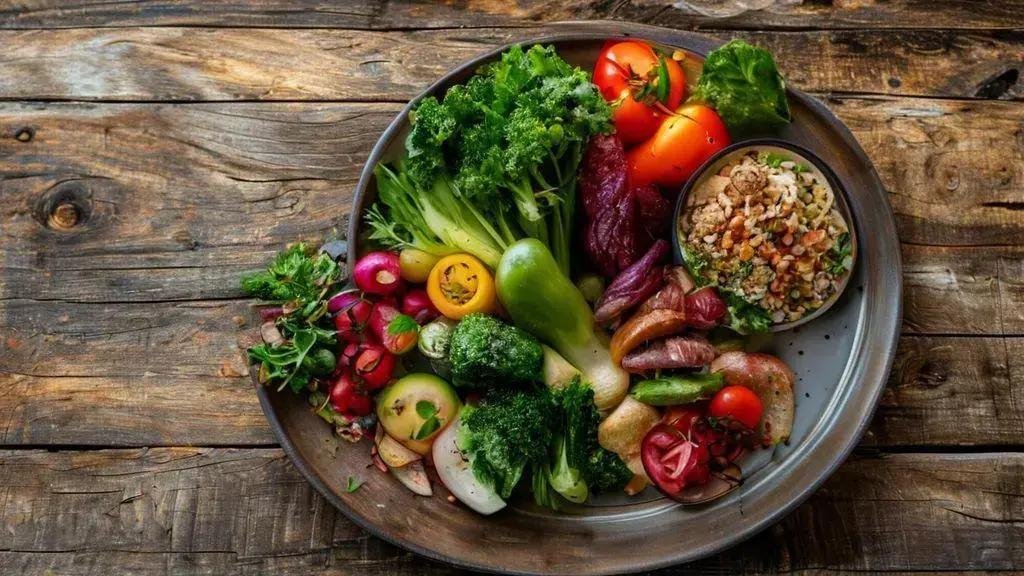
Fat loss is best supported by eating balanced meals at regular times, choosing protein-rich and fiber-filled foods, staying hydrated, avoiding common eating mistakes, and adopting practical daily habits like mindful eating and stress management.
When it comes to fat loss, the way you eat throughout the day can make a real difference. Ever wondered how simple shifts in your eating habits could keep your metabolism working nonstop? Let’s unpack some smart, doable strategies that might just change how you think about food.
how meal timing influences fat loss
Understanding how meal timing influences fat loss can help you structure your eating habits to maximize results. Eating at regular intervals supports metabolism and prevents excessive hunger, which can lead to overeating. For example, consuming balanced meals every 3-4 hours keeps energy levels steady throughout the day.
Importance of Breakfast
Starting your day with a nutritious breakfast jumpstarts your metabolism and reduces the likelihood of snacking on unhealthy foods later. Choose foods rich in protein and fiber to promote fullness and sustain energy.
Avoiding Late-Night Eating
Eating late at night, especially heavy meals, can interfere with your body’s ability to burn fat efficiently. Your metabolism slows down in the evening, so it’s best to finish eating at least 2-3 hours before bedtime.
Intermittent Fasting
Intermittent fasting, which involves alternating periods of eating and fasting, can enhance fat loss by improving insulin sensitivity and promoting fat burning. However, it is important to find a pattern that suits your lifestyle and energy needs.
Consistent Meal Patterns
Maintaining a consistent meal schedule helps regulate hunger hormones and supports your body’s natural circadian rhythms. This alignment can improve overall metabolic health and support sustained fat loss.
best foods to support fat burning
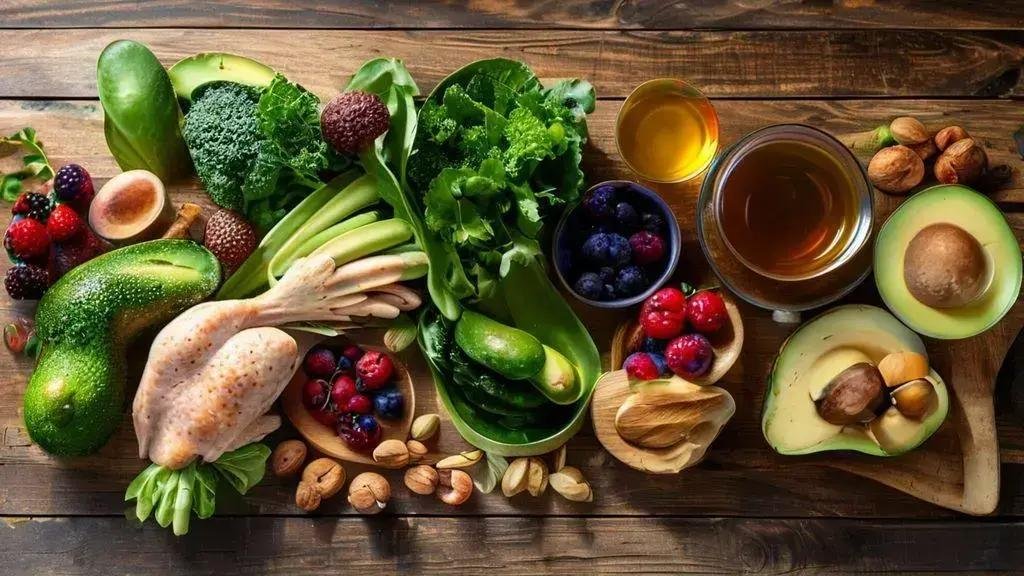
Eating the best foods to support fat burning is key to boosting your metabolism and enhancing fat loss throughout the day. Focus on nutrient-dense options that are high in protein, fiber, and healthy fats to keep you full and energized.
Protein-Rich Foods
Foods high in protein, such as lean meats, fish, eggs, and legumes, increase your metabolic rate through the thermic effect of food. Protein also helps preserve muscle mass while you lose fat.
Fiber-Rich Vegetables and Fruits
Vegetables like broccoli, spinach, and kale, along with fruits such as berries and apples, provide fiber that slows digestion and promotes a feeling of fullness. This helps control appetite and reduces calorie intake.
Healthy Fats
Incorporate sources of healthy fats like avocados, nuts, seeds, and olive oil. These fats support hormone production, including those that regulate metabolism and fat burning.
Spices and Green Tea
Certain spices like cayenne pepper and green tea contain compounds that can temporarily increase your metabolic rate. Adding these to your diet can give a small but helpful boost to fat burning.
Whole Grains
Choose whole grains like quinoa, brown rice, and oats over refined carbs. Whole grains provide sustained energy and support stable blood sugar levels, which can aid in appetite control.
hydration’s role in fat loss success
Hydration plays a critical role in fat loss success by supporting metabolism and helping your body efficiently burn fat. Drinking enough water throughout the day aids digestion, reduces hunger, and helps maintain energy levels.
Boosting Metabolism
Water consumption can temporarily increase metabolic rate through a process called water-induced thermogenesis. Drinking cold water may provide an additional boost as your body works to warm it up.
Controlling Appetite
Sometimes thirst is mistaken for hunger, leading to unnecessary snacking. Staying well-hydrated helps prevent this confusion and reduces the risk of overeating.
Improving Exercise Performance
Proper hydration supports muscle function and endurance during workouts. This allows for better performance, leading to greater calorie and fat burn.
Supporting Detoxification
Water helps flush toxins from the body and supports kidney function, which is essential during fat loss as your body breaks down stored fat.
How Much Water to Drink
While needs vary, a good guideline is to drink at least 8 cups (about 2 liters) of water daily. Adjust intake based on activity level, climate, and individual needs.
practical habits for daily fat loss

Developing practical habits for daily fat loss can make your weight loss journey sustainable and effective. Small, consistent changes in your routine often lead to the best long-term results.
Prioritize Protein in Every Meal
Including protein sources like chicken, beans, or Greek yogurt in each meal helps maintain muscle mass and keeps you feeling full longer.
Stay Active Throughout the Day
Incorporate movement into your daily routine, such as taking walks, using stairs, or doing short exercise breaks. These activities increase calorie burn without needing intense workouts.
Practice Mindful Eating
Eat slowly, savor your food, and pay attention to hunger cues. This reduces overeating and helps you enjoy your meals more.
Get Enough Sleep
Quality sleep supports fat loss by regulating hormones that control hunger and metabolism. Aim for 7-9 hours each night.
Manage Stress Effectively
High stress can lead to emotional eating and hinder fat loss. Techniques like meditation, deep breathing, or hobbies can help lower stress levels.
how to avoid common eating mistakes
Avoiding common eating mistakes is essential to support fat loss and maintain a healthy lifestyle. Many people unintentionally sabotage their progress with simple habits that can be easily fixed.
Skipping Meals
Skipping meals often leads to overeating later and can slow down metabolism. Maintaining regular meals helps keep energy steady and hunger under control.
Eating Too Quickly
When you eat fast, your brain may not have time to register fullness, leading to overeating. Practice mindful eating by chewing slowly and savoring each bite.
Relying on Processed Foods
Processed foods often contain hidden sugars and unhealthy fats that hinder fat loss. Focus on whole, natural foods for better nutrition and satiety.
Ignoring Portion Sizes
Even healthy foods can contribute to weight gain if eaten in large amounts. Using smaller plates and measuring portions can help maintain appropriate calorie intake.
Drinking Calories
Sugary drinks and high-calorie beverages add extra calories without making you feel full. Opt for water, herbal teas, or black coffee instead.
Key takeaways for successful fat loss
Avoiding common eating mistakes plays a crucial role in supporting your fat loss goals. By eating regularly, slowing down, and focusing on whole foods, you help your body function better and reduce unwanted weight gain.
Paying attention to portion sizes and choosing healthy beverages also makes a big difference over time. Simple changes in your daily eating habits can lead to lasting results without feeling overwhelming.
Start with small steps and build mindful habits that suit your lifestyle. With consistency and awareness, you can achieve fat loss in a healthy and sustainable way.
FAQ – Common Questions About Fat Loss and Healthy Eating
How does meal timing affect fat loss?
Eating at regular intervals helps keep your metabolism active and prevents overeating, which supports better fat loss results.
What are the best foods to eat for fat burning?
Focus on protein-rich foods, fiber-rich vegetables and fruits, healthy fats, whole grains, and metabolism-boosting spices like cayenne pepper.
Why is hydration important for fat loss?
Proper hydration boosts metabolism, controls appetite, supports exercise performance, and helps your body flush out toxins during fat loss.
What practical habits can help with daily fat loss?
Prioritize protein, stay active, practice mindful eating, get enough sleep, and manage stress effectively to support fat loss every day.
What are common eating mistakes that hinder fat loss?
Skipping meals, eating too quickly, relying on processed foods, ignoring portion sizes, and drinking high-calorie beverages can all slow fat loss progress.
How can mindful eating improve fat loss?
Eating slowly and paying attention to hunger cues helps prevent overeating and makes you more aware of your food choices, aiding fat loss.