

Fat loss slows down after 40 primarily due to decreased metabolism, hormonal changes, and loss of muscle mass, requiring adjusted nutrition, regular strength training, and varied exercises to maintain effective fat burning.
Fat loss often becomes trickier after 40, and you might wonder why your usual routine just doesn’t cut it anymore. Ever stopped to think what really changes in your body, making fat seem so stubborn? Let’s unpack this together.
how metabolism changes after 40
As we age, one of the most noticeable changes is how our metabolism slows down. This natural process means your body burns fewer calories at rest than it did in your 20s or 30s. A slower metabolism primarily occurs due to a decrease in muscle mass and hormonal changes that reduce your body’s efficiency in converting food into energy.
After 40, muscle mass gradually diminishes if not actively maintained through strength training or physical activity. Since muscle burns more calories than fat, this loss reduces your resting metabolic rate, making it easier to gain fat and harder to lose it.
Another important factor is the shift in hormones, such as lower levels of growth hormone and testosterone, which significantly impact metabolism. These hormonal changes also influence fat distribution, often leading to more fat accumulation around the abdomen.
Understanding these metabolic changes helps explain why the same calorie intake and exercise routines you followed earlier might not yield the same fat loss results after 40. Adjusting your lifestyle to include regular resistance training, balanced nutrition, and adequate protein can help counteract these effects and keep your metabolism more active.
hormonal shifts that affect fat loss

Hormonal shifts play a major role in fat loss slowing down after 40. As we age, the body produces lower levels of hormones like testosterone, estrogen, and growth hormone, which are crucial for maintaining muscle mass and regulating fat metabolism.
For both men and women, declining testosterone levels reduce the ability to build and preserve muscle, which directly impacts the metabolic rate. Less muscle means fewer calories burned at rest, making fat loss more difficult.
Women experience a sharp drop in estrogen during menopause, which changes how fat is stored. This hormonal change often leads to increased fat around the abdomen, rather than the hips and thighs, making it harder to shed unwanted pounds.
Growth hormone also decreases with age, further reducing fat breakdown and energy levels. Lower growth hormone slows the ability to burn fat efficiently and impacts overall body composition.
Understanding these shifts makes it clear why nutrition and exercise need to adapt. Focusing on hormone-friendly habits—like adequate sleep, stress management, and strength training—can help counteract these changes and support fat loss after 40.
the role of muscle mass and aging
Muscle mass plays a critical role in fat loss and overall metabolism, especially as we age. Starting around age 30, people naturally lose muscle mass each year, a process called sarcopenia. This decline speeds up after 40, making it harder to maintain a healthy weight.
Since muscle tissue burns more calories than fat even when at rest, losing muscle means your body uses fewer calories daily. This leads to a slower metabolic rate, causing fat to accumulate more easily if diet and exercise habits don’t adjust.
Strength training is essential for combating this muscle loss. Regular resistance exercises like weightlifting help rebuild and maintain muscle mass, keeping metabolism higher and improving fat-burning capacity.
Aging also affects how muscles recover and grow, so it’s important to balance workout intensity with proper rest and nutrition, especially enough protein intake. This supports muscle repair and growth, helping offset age-related decline.
Understanding the link between muscle mass and aging explains why fat loss becomes more challenging after 40, and why maintaining or increasing muscle can make a big difference in your health and fitness journey.
nutritional strategies to boost fat burning
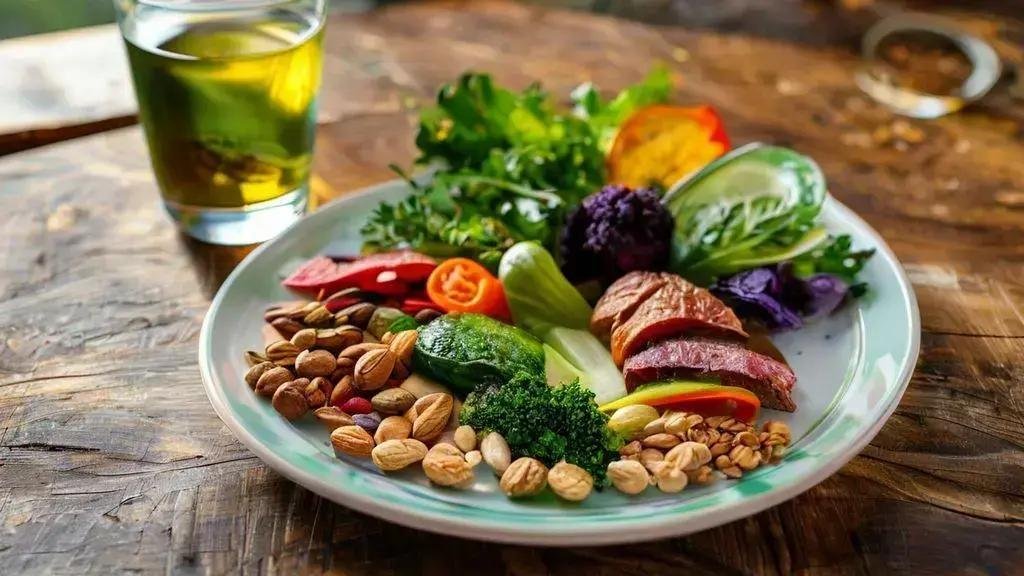
Nutrition plays a key role in boosting fat burning, especially after 40. To support fat loss, focus on eating whole foods rich in nutrients rather than processed items. Protein is especially important as it helps preserve muscle mass and increases calorie burning through digestion.
Incorporate plenty of lean meats, fish, eggs, beans, and dairy into your daily diet to meet protein needs. Fiber-rich foods like vegetables, fruits, and whole grains improve digestion and keep you feeling full longer, reducing overeating.
Healthy fats from sources like avocados, nuts, and olive oil support hormone production and help regulate appetite. Avoid trans fats and limit added sugars that can contribute to fat gain.
Drinking enough water also aids metabolism and supports fat loss. Additionally, some evidence suggests that green tea and caffeine may provide a slight boost to fat burning when consumed in moderation.
Lastly, spreading meals into smaller, frequent portions can stabilize blood sugar levels and prevent energy crashes. Combining smart nutrition with regular exercise creates the best environment for fat loss after 40.
exercise tips to overcome the plateau
Hitting a fat loss plateau after 40 is common, but certain exercise strategies can help overcome this hurdle. Mixing up your workout routine is crucial to prevent your body from adapting and slowing down progress. Incorporate both cardio and strength training for balanced fat burning and muscle maintenance.
High-intensity interval training (HIIT) is especially effective. It involves short bursts of intense exercise followed by rest, boosting metabolism and calorie burn even after your workout ends.
Strength training remains vital to build and preserve muscle mass, which supports a faster metabolism. Focus on compound movements like squats, deadlifts, and push-ups that engage multiple muscle groups.
Adding flexibility and balance exercises such as yoga or Pilates can improve overall fitness and prevent injury, allowing consistent exercise over time.
Finally, listen to your body and allow proper rest. Recovery days help muscles heal and grow, making your workouts more effective in the long run.
Understanding and Overcoming Fat Loss Challenges After 40
Fat loss after 40 can slow down due to natural changes in metabolism, hormones, muscle mass, and lifestyle. However, by understanding these factors and adjusting your approach, you can still achieve your fat loss goals.
Incorporating nutrient-rich foods, regular strength training, varied exercise routines, and healthy habits can help boost metabolism and support fat burning. Remember, patience and consistency are key as your body adapts to change.
Making these informed adjustments allows you to overcome plateaus and maintain a healthy, active lifestyle beyond 40.
FAQ – Common Questions About Fat Loss After 40
Why does fat loss slow down after 40?
Fat loss slows down due to changes in metabolism, hormone levels, and a natural decline in muscle mass as we age.
How do hormones affect fat loss after 40?
Hormonal changes, such as decreased testosterone and estrogen levels, impact muscle maintenance and fat distribution, making fat loss harder.
Can exercise help overcome fat loss plateaus?
Yes, mixing cardio with strength training, including high-intensity interval training (HIIT), can boost metabolism and overcome plateaus.
What role does muscle mass play in fat loss?
Muscle burns more calories than fat, so maintaining or building muscle helps keep metabolism higher and supports fat burning.
Are there specific nutritional strategies to boost fat burning?
Eating protein-rich foods, healthy fats, fiber, and staying hydrated supports metabolism and helps promote fat loss after 40.
Is strength training important for people over 40?
Absolutely. Strength training preserves muscle mass, which slows down due to aging, and supports a healthy metabolism for effective fat loss.