

Metabolism is the body’s process of converting food into energy, controlled by lifestyle factors like diet, exercise, sleep, and stress, which no supplement alone can effectively replace.
Metabolism is often misunderstood as just a weight loss tool, but it’s the engine powering every cell in your body. Ever wondered why some people seem naturally energetic while others struggle despite trying supplements? Let’s dive into what really wakes up your metabolism and why no pill can replace this vital process.
understanding metabolism and its role
Metabolism is the biochemical process that converts the food we eat into energy. It powers every function in our body, from breathing to repairing cells. Without a well-functioning metabolism, your body struggles to get the energy it needs to perform daily tasks effectively.
The Basics of Metabolism
At its core, metabolism includes two main parts: catabolism, which breaks down molecules to produce energy, and anabolism, which uses that energy to build and repair tissues. Together, they maintain vital bodily functions and overall health.
Why Metabolism Matters
A strong metabolism affects more than just your weight. It influences your energy levels, body temperature, and even how well your organs work. When metabolism is slow, you may feel tired or gain weight easily. When it’s fast, your body burns calories quicker and functions more efficiently.
Factors That Influence Metabolism
Many elements impact metabolic rate, including age, genetics, muscle mass, and hormone levels. Physical activity and diet also play significant roles. For example, having more muscle boosts metabolism because muscle tissue burns more calories than fat, even at rest.
Metabolism and Your Health
Keeping your metabolism balanced is key to long-term health. It supports immune function, digestion, and mental clarity. Understanding how metabolism works helps you make smarter lifestyle choices that enhance your energy and well-being daily.
common myths about metabolism and supplements
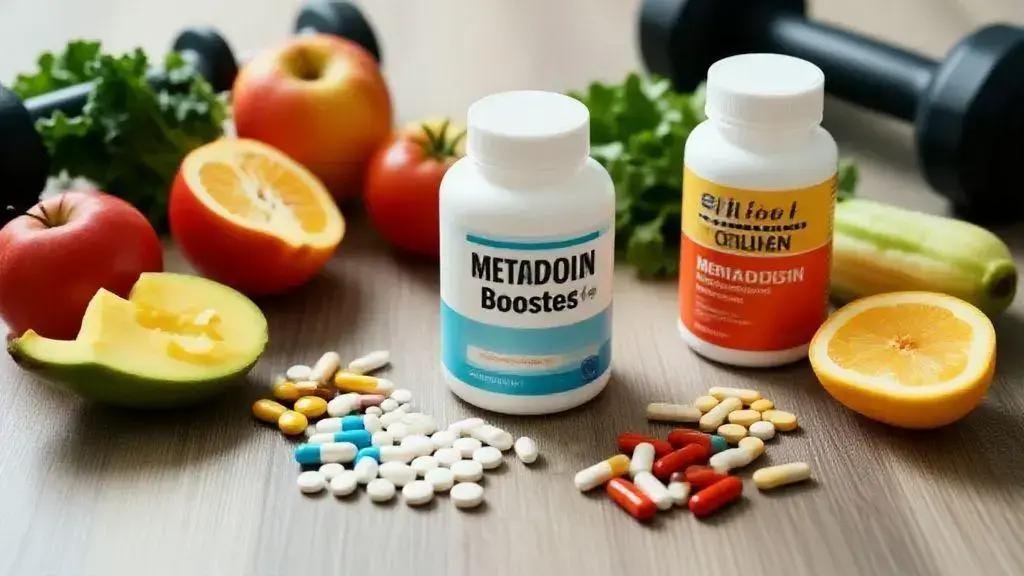
Many people believe that supplements alone can speed up metabolism, but this is a common misconception. No pill or powder can replace the body’s natural metabolic process. Ingredients in some supplements may offer temporary boosts, but they often lack lasting effects and can have side effects.
Myth 1: Supplements Can Replace Healthy Habits
Supplements are often marketed as quick fixes for weight loss or energy, but true metabolic health comes from a balanced diet and regular exercise. Relying solely on supplements ignores the importance of lifestyle choices.
Myth 2: More Supplements Mean Faster Metabolism
Taking multiple metabolism-boosting supplements does not guarantee better results. Overloading your body with unnecessary substances can be harmful and may disrupt your natural metabolic balance.
Myth 3: Metabolism Supplements Work for Everyone
Metabolism varies greatly among individuals due to genetics, age, and health status. What might have a mild effect for one person could be ineffective or harmful to another. Personalized approaches are essential.
Myth 4: Supplements Target Fat Loss Directly
Some believe these products directly burn fat, but metabolism supplements typically influence energy expenditure slightly. Fat loss occurs primarily through calorie deficit achieved by diet and exercise, not by supplements alone.
Understanding Reality
Rather than chasing quick fixes, focus on evidence-based strategies like nourishing your body with whole foods, staying hydrated, and staying active. Supplements can support these habits but never replace them.
lifestyle habits that truly boost metabolism
Certain lifestyle choices can have a powerful effect on boosting your metabolism naturally. These habits help your body burn energy more efficiently and support overall health.
Regular Physical Activity
Exercise is one of the most effective ways to increase metabolism. Strength training builds muscle mass, which burns more calories than fat even at rest. Cardiovascular activities like walking, running, or cycling also raise your metabolic rate during and after workouts.
Balanced Diet
Eating enough protein is important because it requires more energy to digest, boosting your metabolism temporarily. Small, frequent meals can keep your metabolism active throughout the day. Avoiding processed foods and focusing on whole, nutrient-dense options supports metabolic health.
Staying Hydrated
Water plays a crucial role in metabolism. Drinking cold water may even boost calories burned slightly, as your body works to warm it up. Staying hydrated helps digestion and energy production.
Quality Sleep
Poor sleep slows metabolism and disrupts hormone balance related to hunger and energy use. Getting 7-9 hours of restful sleep each night aids metabolic functions and improves recovery from exercise.
Stress Management
Chronic stress raises cortisol levels, which can slow metabolism and promote fat storage. Techniques like meditation, deep breathing, or spending time in nature can lower stress and help keep your metabolism running smoothly.
how stress and sleep affect your metabolism

Stress and sleep have a major impact on how your metabolism works. When your body is stressed, it produces a hormone called cortisol. High cortisol levels can slow down metabolism and lead to weight gain, especially around the belly.
Effects of Stress on Metabolism
Chronic stress triggers the body’s fight-or-flight response, which can cause hormonal imbalances. Cortisol increases appetite and may lead to cravings for unhealthy foods. This can cause the body to store more fat and burn fewer calories.
How Sleep Influences Metabolism
Sleep is vital for repairing the body and regulating hormones that control hunger and energy use. Poor sleep lowers levels of leptin, a hormone that signals fullness, and raises ghrelin, which stimulates appetite. This imbalance can slow metabolism and increase food intake.
Connection Between Sleep and Stress
Stress can make it harder to fall asleep or stay asleep, creating a cycle that negatively affects metabolism. Without enough quality sleep, your body struggles to manage stress hormones properly, which further disrupts metabolic function.
Strategies to Protect Your Metabolism
Managing stress through relaxation techniques like meditation, deep breathing, or gentle exercise can reduce cortisol levels. Prioritizing 7-9 hours of good-quality sleep helps maintain a healthy hormone balance and keeps your metabolism working well.
natural ways to reset your metabolism daily
Resetting your metabolism daily can be achieved through natural and simple habits that improve how your body uses energy. These steps help keep your metabolic rate steady and efficient.
Start with a Nutritious Breakfast
Eating a balanced breakfast with protein and fiber kickstarts your metabolism in the morning. It signals your body to begin efficient calorie burning after fasting overnight.
Stay Active Throughout the Day
Moving regularly, even with light activity like walking or stretching, keeps your metabolism engaged. Sitting for long periods can slow your metabolic rate, so take breaks to move.
Hydrate Properly
Drinking enough water supports digestion and energy production. Cold water may provide a slight boost by making your body work to warm it up, enhancing calorie burn.
Include Metabolism-Supporting Foods
Spices like chili peppers, green tea, and foods rich in protein can gently raise metabolism. These natural options improve calorie burning without harmful effects.
Prioritize Rest and Recovery
Allowing your body sufficient rest helps maintain hormone balance essential for metabolism. Good sleep and stress management contribute to resetting your metabolic system daily.
Understanding Your Metabolism Is Key
Taking care of your metabolism goes beyond supplements; it involves daily habits like eating well, staying active, managing stress, and getting enough sleep. These natural steps help your body burn energy efficiently and keep you feeling your best.
By making small changes in your lifestyle, you can support a healthy metabolism every day. Remember, no supplement can replace the power of consistent, balanced habits that nurture your body’s natural functions.
Focus on these simple strategies to wake up your metabolism and maintain your energy, health, and vitality for the long term.
FAQ – Common Questions About Metabolism and Health
What is metabolism and why is it important?
Metabolism is the process your body uses to convert food into energy. It supports all vital functions and influences your energy levels and weight.
Can supplements really boost my metabolism?
Supplements may offer temporary boosts but cannot replace healthy habits like balanced diet and exercise, which are essential for a strong metabolism.
How does sleep affect metabolism?
Poor sleep disrupts hormones that control hunger and energy use, which can slow down metabolism and increase appetite.
What lifestyle habits can help improve metabolism?
Regular physical activity, eating enough protein, staying hydrated, getting quality sleep, and managing stress help keep metabolism healthy and efficient.
Does stress have a real effect on metabolism?
Yes, chronic stress increases cortisol levels which can slow metabolism and promote fat storage, especially around the belly area.
How can I reset my metabolism naturally every day?
Eating a nutritious breakfast, staying active, drinking water, including metabolism-supporting foods, and prioritizing rest are natural ways to reset your metabolism daily.