

The fat-burning response triggered by cold activates brown fat to burn calories and generate heat, boosting metabolism through non-shivering thermogenesis and nervous system signals.
Ever wondered how a chilly breeze could actually help you shed pounds? The fat burning response triggered by cold exposure is more than a myth—it’s a fascinating natural process that can rev up your metabolism. Curious how this works and if it’s for you? Let’s dive in.
How cold exposure stimulates fat burning
When exposed to cold temperatures, your body works harder to maintain its core temperature. This triggers a process known as thermogenesis, where fat cells, especially brown fat, burn calories to generate heat. Unlike white fat, which stores energy, brown fat contains many mitochondria that produce heat by burning calories.
Types of Fat Involved
Brown adipose tissue (BAT) plays a key role in this fat-burning response. It gets activated during cold exposure, leading to increased calorie burn. Some adults have more brown fat than others, which can influence how effective cold exposure is for fat burning.
Mechanism of Activation
Cold signals the nervous system to stimulate brown fat. This activates enzymes that increase energy consumption, converting stored fat into heat. This response can help boost metabolism temporarily.
Role of Shivering and Non-Shivering Thermogenesis
There are two primary ways cold exposure burns fat: shivering and non-shivering thermogenesis. Shivering involves muscle activity to generate heat, while non-shivering thermogenesis mainly involves brown fat burning calories without muscle contractions, which is more efficient for fat loss.
Regular exposure to mild cold can enhance brown fat activity, potentially improving overall fat burning and metabolic health over time.
The science behind the fat-burning response

The fat-burning response is deeply rooted in human physiology and involves complex biochemical processes. When the body encounters cold temperatures, it activates a special type of fat known as brown adipose tissue (BAT). This fat is rich in mitochondria, which act like tiny engines converting calories into heat.
How Brown Fat Works
Brown fat cells have a unique protein called uncoupling protein 1 (UCP1) that allows them to release energy as heat rather than storing it. This process, called non-shivering thermogenesis, helps maintain body temperature under cold stress.
The Role of the Nervous System
The nervous system plays a critical role by detecting cold through skin receptors and signaling brown fat to increase activity. The sympathetic nervous system releases norepinephrine, which triggers fat breakdown, turning fatty acids into heat.
Energy Metabolism and Hormones
Cold stimulation increases metabolic rate by enhancing the oxidation of fats and sugars. Hormones such as thyroid hormones also amplify this effect by boosting mitochondrial activity, further promoting fat burning.
Understanding this science explains why exposing the body to cold can be a natural method to increase calorie expenditure and aid in weight management.
Practical ways to use cold for metabolism boost
Using cold exposure to boost metabolism can be simple and effective when done safely. Start with short periods in cool environments or try cold showers to stimulate your body’s fat-burning response. Gradually increase exposure time as your body adapts.
Cold Showers
Taking cold showers for 2 to 3 minutes daily can activate brown fat and encourage calorie burning. It’s a low-cost and convenient method to stimulate thermogenesis.
Cold Water Immersion
Immersing yourself in cold water, such as cold baths or swimming, exposes your body to a stronger cold stimulus. This triggers a more significant metabolic response but should be done carefully to avoid hypothermia.
Outdoor Activities in Cold Weather
Engaging in outdoor exercises during cold weather naturally activates fat burning while you stay active. Ensure you wear appropriate clothing to balance between cold exposure and safety.
Cold Packs and Cooling Garments
Applying cold packs or wearing cooling vests on areas dense with brown fat, like the neck and upper back, can target fat burning locally. This method may complement broader cold exposure techniques.
Always listen to your body and avoid excessive cold exposure. Combining cold with a healthy diet and regular exercise is the best approach to maximize metabolism boosts.
Potential risks and who should avoid cold exposure
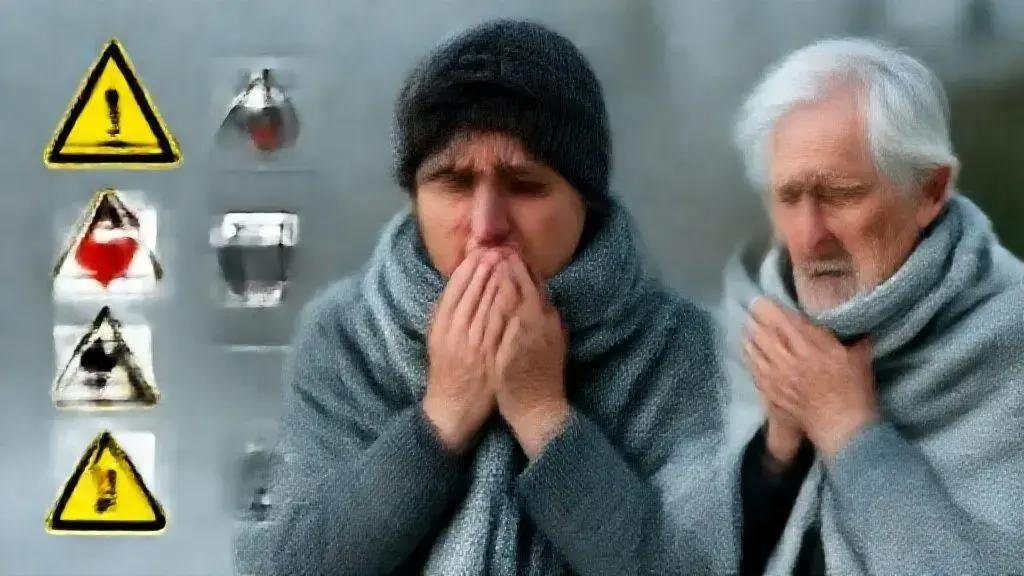
While cold exposure can boost metabolism, it is important to understand the potential risks involved. Exposure to extreme cold may lead to hypothermia, frostbite, or other health complications if not done properly.
Who Should Avoid Cold Exposure
Individuals with certain medical conditions should be cautious or avoid cold exposure altogether. People with cardiovascular problems, respiratory diseases, or Raynaud’s syndrome may face increased risks due to blood vessel constriction and heart strain.
Risks for Pregnant Women and Elderly
Pregnant women should consult their healthcare provider before trying cold exposure, as sudden temperature changes may affect fetal health. Similarly, the elderly may have reduced ability to regulate body temperature, increasing their susceptibility to cold-related injuries.
Signs of Overexposure
Watch for symptoms like numbness, persistent shivering, fatigue, dizziness, or skin discoloration. These can signal hypothermia or frostbite and require immediate attention.
Precautions to Take
Always start with mild cold exposure and gradually increase intensity. Dress appropriately to balance cold exposure benefits and safety. Avoid prolonged exposure and never expose yourself to extreme cold without supervision.
Integrating cold exposure in your daily routine
Integrating cold exposure into your daily routine can be simple and highly effective when done consistently. Start by incorporating mild cold practices that fit effortlessly into your lifestyle.
Start with Cold Showers
Try ending your regular showers with 30 seconds to 1 minute of cold water. This helps activate your fat-burning brown fat and gradually builds tolerance to cold.
Dress for Cold Outdoors
Spend time outside in cooler weather wearing lighter clothing than usual, but safely enough to avoid excessive discomfort. This natural exposure encourages your body’s metabolic response.
Use Cold Packs or Cooling Vests
Applying cold packs or wearing cooling garments intermittently can target fat-rich areas like the neck and upper back. These sessions can last 10 to 15 minutes and be done several times per week.
Include Outdoor Activities
Engage in outdoor exercises such as walking, jogging, or cycling during cool temperatures. Combining physical activity with cold exposure enhances metabolism and fat burning.
Consistency is key; listen to your body, and avoid overdoing it. Combining cold exposure with balanced nutrition and regular exercise produces the best results for boosting metabolism and fat loss.
Wrapping up the fat-burning benefits of cold exposure
Cold exposure can be a natural and effective way to boost your metabolism and enhance fat burning. By understanding the science behind it and using practical methods safely, you can make cold exposure a helpful part of your daily routine.
Remember to start slowly and listen to your body to avoid risks. Combining cold exposure with healthy eating and regular exercise will give you the best chance to improve your metabolic health and overall wellness.
Embracing the cold may just be the extra boost your fat-burning journey needs.
FAQ – Frequently Asked Questions about Cold Exposure and Fat Burning
What is the fat-burning response triggered by cold?
It is a natural process where cold exposure activates brown fat, which burns calories to generate heat and boost metabolism.
How can I safely start cold exposure?
Begin with short cold showers or brief time in cool environments, gradually increasing exposure as your body adapts.
Who should avoid cold exposure?
People with cardiovascular issues, respiratory problems, Raynaud’s syndrome, pregnant women, and the elderly should consult a doctor before trying cold exposure.
What are practical ways to include cold exposure in daily life?
Methods include cold showers, cold water immersion, outdoor activities in cool weather, and using cold packs or cooling garments.
Can cold exposure replace diet and exercise for fat loss?
No, cold exposure should be combined with a healthy diet and regular exercise for the best fat-burning results.
What are signs of excessive cold exposure?
Symptoms like numbness, persistent shivering, dizziness, fatigue, or skin discoloration indicate overexposure and require immediate care.