
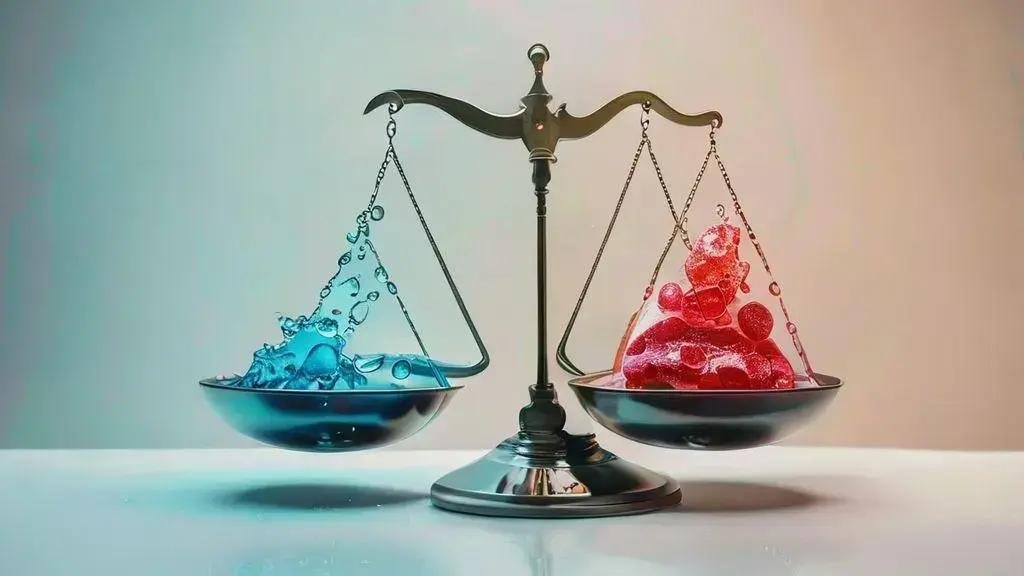
Water weight is temporary fluid retention causing quick scale changes, while fat loss is the gradual reduction of stored fat through calorie deficit and consistent diet and exercise.
If you’ve ever stepped on the scale and wondered why your weight bounces up and down, you’re not alone. Water weight often tricks us into thinking we’re losing or gaining fat, but these are very different processes. Curious to know what sets them apart and how to spot real fat loss from mere water changes? Let’s dive in together.
What is water weight and why it fluctuates
Water weight refers to the extra water your body holds onto in tissues, often causing noticeable weight fluctuations. This can happen due to factors like salt intake, hormone changes, or hydration levels. For example, eating a salty meal may cause your body to retain more water to balance sodium levels.
Why does water weight fluctuate?
Water retention can vary day-to-day because of diet, exercise, and even stress. When sodium levels rise, your kidneys hold onto water to maintain balance. Hormones like estrogen and progesterone also play a big role, especially in women around their menstrual cycle.
Exercise causes muscles to store more water, which helps repair tissue and reduce soreness. On the other hand, dehydration makes the body conserve water, causing fluctuations.
Spotting water weight
Water weight usually comes with a bloated or puffy feeling rather than fat gain. It’s temporary and can change quickly compared to fat, which takes longer to lose or gain. Clothing might feel tighter or looser depending on these fluid changes.
Understanding these natural fluctuations helps avoid confusion when tracking weight loss and keeps you focused on long-term progress.
How fat loss differs from losing water weight
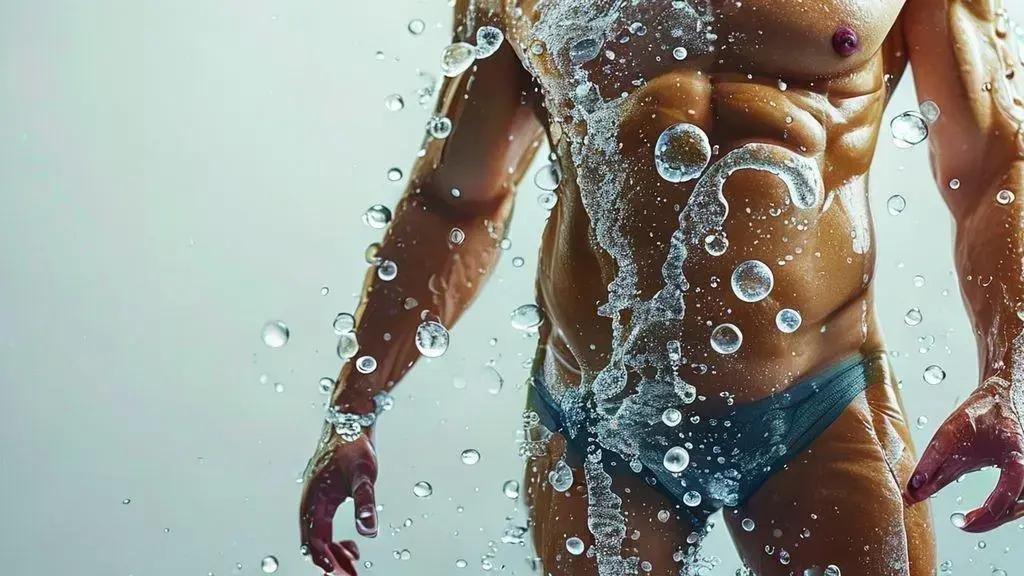
Fat loss and losing water weight are two very different processes in the body. Fat loss happens when your body burns stored fat for energy, which takes time and consistent effort. Water weight, however, is simply the amount of water your body is holding onto, which can change daily.
How fat loss works
Fat loss requires creating a calorie deficit, meaning you burn more calories than you consume. Over time, your body breaks down fat cells to use for energy, reducing fat stores. This process is slower and steady compared to water loss.
Why water weight drops quickly
Water weight can drop quickly after changes in diet, exercise, or hydration. For example, reducing salt intake or sweating during exercise causes the body to release stored water. This can show as rapid weight loss on a scale but does not signify fat loss.
Visual differences between fat and water loss
Fat loss often results in changes in body shape and measurements over weeks or months. Water loss typically causes temporary bloating reduction or less puffiness, not permanent shape changes.
Understanding these differences helps you track real fat loss, avoid frustration, and focus on healthy habits for long-term results.
Common causes of water retention in the body
Water retention happens when excess fluid builds up inside your body’s tissues. This can make you feel bloated or puffy. Several common causes lead to this temporary swelling.
High salt intake
Eating too much salt causes your body to hold onto extra water to balance sodium levels. This is one of the most frequent reasons for water retention.
Hormonal changes
Fluctuations in hormones, especially estrogen and progesterone, can cause the body to retain more water. This is why many women experience bloating before their menstrual cycle.
Poor circulation
When blood flow slows down, often due to sitting or standing too long, fluid can accumulate in the lower legs and feet. This leads to swelling known as edema.
Dehydration
Paradoxically, not drinking enough water makes your body retain fluid as a protective measure, causing puffiness.
Medications and health conditions
Certain medications, such as steroids or blood pressure drugs, can cause water retention. Also, health issues like kidney or heart problems affect the body’s ability to manage fluids.
Identifying these causes helps in managing water retention effectively and distinguishing it from fat gain.
Tips to measure true fat loss effectively
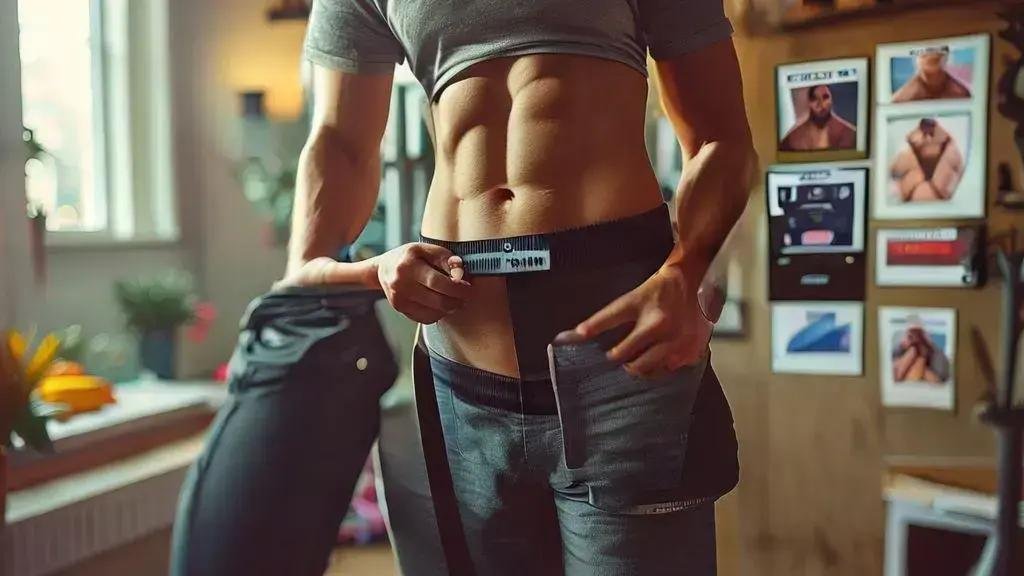
Measuring true fat loss requires understanding that the scale doesn’t always tell the full story. Fat loss is about reducing body fat percentage, not just weight. Here are some effective tips to track fat loss accurately.
Use body measurements
Measuring waist, hips, arms, and thighs regularly helps track fat loss since fat reduction changes your body shape more than weight alone.
Try body fat calipers or smart scales
Tools like calipers measure skinfold thickness, estimating body fat percentage. Smart scales use bioelectrical impedance to provide similar estimates at home.
Monitor progress photos
Taking photos weekly or monthly can show visual changes in your body that numbers might miss. Consistent lighting and angles make comparisons clearer.
Track how clothes fit
Noticing that clothes feel looser or fit differently is a practical sign of fat loss, especially when weight fluctuates due to water retention.
Focus on consistent habits
Regular exercise and a balanced diet help ensure fat loss. Tracking these habits alongside measurements will keep you motivated through the journey.
Remember, fat loss happens gradually. Combining different methods gives a more complete and encouraging picture of your progress.
How diet and exercise affect water weight and fat
Both diet and exercise play major roles in managing water weight and fat levels in your body. Understanding their effects can improve your approach to weight management.
Diet and water weight
High salt intake causes the body to retain more water, leading to bloating and temporary weight gain. Reducing sodium can help decrease water retention quickly. Carbohydrates also affect water weight because the body stores them with water molecules, so eating fewer carbs lowers water stored in muscles.
Exercise and water balance
Physical activity makes you sweat, which reduces water weight temporarily. However, after exercise, your body may retain water to repair muscles and inflammation. Staying hydrated is essential to help the body manage this process effectively.
Diet’s effect on fat loss
Creating a calorie deficit through a balanced diet is key for fat loss. Eating nutrient-dense foods like vegetables, lean proteins, and healthy fats supports metabolism and helps burn fat over time.
Exercise for burning fat
Cardio and strength training boost calorie burn and build muscle, contributing to long-term fat loss. Muscle also helps increase resting metabolism, allowing your body to burn more fat even at rest.
Balancing diet and exercise is crucial for controlling both water weight and fat loss. Proper nutrition supports workouts, and consistent physical activity improves overall body composition.
Understanding the balance between water weight and fat loss
Knowing the difference between water weight and fat loss helps you stay on track with your health goals. While water weight can cause quick changes in scale numbers, true fat loss takes time and consistent effort.
By paying attention to your diet, exercise habits, and how you measure progress, you can focus on what really matters: long-term fat loss and improved body composition.
Remember, patience and a balanced approach lead to lasting results. Stay informed and listen to your body for the best outcomes.
FAQ – Understanding Water Weight and Fat Loss
What is water weight?
Water weight is the extra water that your body retains in tissues, which can cause temporary weight fluctuations.
How does fat loss differ from losing water weight?
Fat loss involves burning stored fat for energy, which is a slow process, while water weight can change quickly due to fluid retention or loss.
What causes water retention in the body?
Common causes include high salt intake, hormonal changes, poor circulation, dehydration, and certain medications or health conditions.
How can I measure true fat loss effectively?
Use methods like body measurements, body fat calipers, progress photos, how clothes fit, and consistent tracking of diet and exercise habits.
How does diet affect water weight and fat loss?
High salt and carb intake can increase water retention, while a balanced, calorie-deficit diet supports fat loss over time.
What role does exercise play in managing water weight and fat?
Exercise helps reduce water weight through sweating and promotes fat burning by boosting metabolism and building muscle.