
To lose 5 pounds in a week safely, follow a balanced 7-day plan combining calorie control, nutrient-rich meals, regular exercise including cardio and strength training, smart hunger management, and consistent progress tracking.
Lose 5 pounds in a week might sound like a tall order, but with the right approach, it’s doable without starving yourself. Curious how to make this happen? Let’s jump into a plan that actually respects your body and keeps you energized.
understanding safe weight loss basics
Losing weight safely means focusing on gradual changes that improve your health without causing harm or extreme stress. A key principle is to create a modest calorie deficit by eating nutrient-rich foods and increasing activity levels. Avoid fad diets or drastic starvation because they can lead to muscle loss and nutritional deficiencies.
Calorie Deficit and Nutrient Balance
To lose weight, you must consume fewer calories than you burn, but it’s vital to maintain a balance of carbohydrates, proteins, and fats. Protein is especially important because it supports muscle repair and keeps you full longer.
Hydration and Sleep
Drinking plenty of water helps your metabolism and reduces hunger. Likewise, getting enough quality sleep is crucial. Lack of sleep can increase hunger hormones and slow weight loss.
Realistic Expectations
Safe weight loss is typically 1 to 2 pounds per week, but losing 5 pounds in a week is possible with a careful plan. Be mindful that rapid loss often includes water weight, so focus on sustainable habits that keep your body fueled and energized.
day-by-day meal planning tips
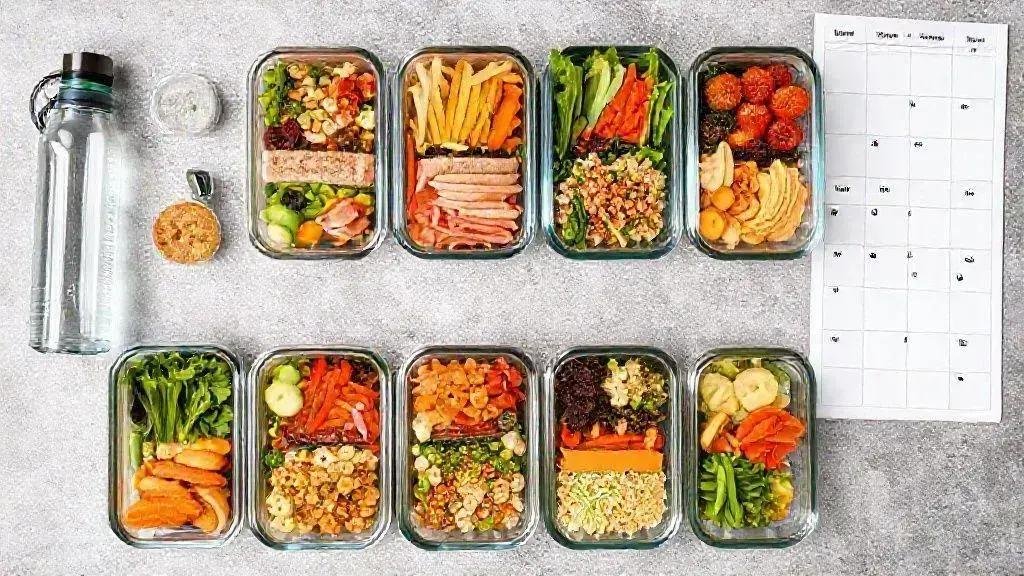
Creating a day-by-day meal plan helps you stay on track and avoid unhealthy choices. Start with balanced meals that combine lean proteins, healthy fats, and fiber-rich carbohydrates. This keeps you full and supports fat loss throughout the week.
Breakfast Ideas
Choose high-protein options like eggs, Greek yogurt, or smoothies with fruits and spinach. These provide energy and curb mid-morning cravings.
Lunch and Dinner Strategies
Focus on vegetables, whole grains, and a source of protein such as chicken, fish, or legumes. Use herbs and spices for flavor without extra calories.
Healthy Snacks
Plan snacks like nuts, fresh fruit, or carrot sticks with hummus. Snacking smart prevents overeating during main meals.
Hydration and Portion Control
Drink plenty of water throughout the day. Use smaller plates and listen to your body’s hunger cues to avoid overeating.
Adjust servings based on your hunger and activity level. Keeping a food journal can help track progress and spot areas for improvement.
effective exercises to boost fat loss
Incorporating effective exercises is key to boosting fat loss and achieving weight goals faster. A combination of cardio workouts and strength training helps burn calories and build lean muscle. Muscle tissue burns more calories even at rest, which supports long-term fat loss.
Cardio Exercises
Activities like brisk walking, running, cycling, or jumping rope increase your heart rate and calorie burn. Aim for at least 150 minutes of moderate cardio each week to see results.
Strength Training
Using weights, resistance bands, or bodyweight exercises like squats and push-ups helps improve muscle mass. Strength workouts stimulate your metabolism and tone your body.
High-Intensity Interval Training (HIIT)
Short bursts of intense exercise followed by brief rest periods make HIIT an efficient way to burn fat. This method also enhances calorie burn during and after exercise.
Consistency matters most. Tailor your workout plan to your fitness level and gradually increase intensity to avoid injury and maximize benefits.
managing hunger and cravings smartly

Managing hunger and cravings is essential when trying to lose weight without feeling deprived. Hydration is key, as thirst can often be mistaken for hunger. Drinking water regularly can reduce unnecessary snacking.
Eat Protein and Fiber
Meals rich in protein and fiber keep you full longer by slowing digestion and stabilizing blood sugar levels. Good sources include lean meats, beans, nuts, and vegetables.
Plan Your Meals and Snacks
Scheduling meals and healthy snacks helps prevent sudden hunger that can lead to overeating. Choose nutrient-dense options like fruits, yogurt, or a handful of nuts.
Control Emotional Eating
Be mindful of cravings triggered by stress or boredom. Instead of reaching for food, try activities like walking, reading, or deep breathing exercises.
Limit Sugary and Processed Foods
These can cause rapid spikes and drops in blood sugar, increasing cravings. Opt for whole, natural foods to keep energy steady throughout the day.
tracking progress and staying motivated
Tracking your weight loss progress helps keep motivation high and identifies what works best for your body. Use a journal, app, or photos to record changes regularly. This builds accountability and highlights milestones.
Set Realistic Goals
Break your overall goal into smaller, achievable targets. Celebrate each success to stay encouraged and focused throughout the week.
Monitor Multiple Metrics
Along with weight, track measurements, energy levels, and how your clothes fit. Sometimes progress shows in ways that the scale doesn’t reflect.
Adjust Your Plan When Needed
If you hit a plateau or feel stuck, consider revisiting your meal and exercise routines. Flexibility allows you to find what fits best and keeps results coming.
Find Support
Share your journey with friends, family, or online groups. Having encouragement and shared experiences boosts commitment and makes the process more enjoyable.
Staying motivated requires patience and self-compassion. Remind yourself that small, consistent efforts lead to lasting success.
Staying on track for your weight loss goals
Losing 5 pounds in a week is possible with a smart plan focused on healthy habits. Tracking your progress, staying motivated, and adjusting your routine when needed will help you reach your goals safely.
Remember to set realistic targets and celebrate small wins. Support from others can make the journey easier and more fun.
Consistency and patience are key to lasting results. Keep moving forward and trust that your efforts will pay off over time.
FAQ – Frequently Asked Questions about Losing 5 Pounds in a Week
Is it safe to lose 5 pounds in one week?
Yes, losing 5 pounds in a week is possible if done safely by combining balanced dieting with exercise, but it should not involve extreme starvation or fad diets.
What types of exercises help boost fat loss?
Cardio, strength training, and high-intensity interval training (HIIT) are effective exercises to burn calories and promote fat loss.
How can I manage hunger and cravings during weight loss?
Managing hunger involves staying hydrated, eating protein- and fiber-rich foods, planning meals and snacks, and avoiding sugary and processed foods.
Why is tracking progress important in weight loss?
Tracking progress helps keep motivation high, allows you to spot what works, and helps you adjust your plan to continue making results.
What should I include in a daily meal plan to lose weight?
Include lean proteins, healthy fats, fiber-rich carbohydrates, and hydrate well. Plan balanced meals and healthy snacks throughout the day to maintain energy and fullness.
How can I stay motivated while trying to lose weight?
Set realistic goals, celebrate small wins, find support from friends or groups, and be patient with yourself to maintain long-term motivation.