

Losing 50 pounds in 3 months requires a strict calorie deficit, balanced nutrition, consistent exercise including cardio and strength training, regular progress tracking, and realistic goal setting to ensure safe and effective weight loss.
Thinking about lose 50 pounds in 3 months? It’s a bold target that sparks curiosity and questions. Can it be done healthy and sustainably? Let’s unpack the facts and what really matters to your body and mind.
understanding realistic weight loss goals
Setting realistic weight loss goals is crucial for long-term success and health. Losing 50 pounds in 3 months translates to roughly 4 pounds per week, which is an aggressive target that may not be suitable for everyone. Experts often recommend aiming for 1 to 2 pounds per week to ensure fat loss while minimizing muscle loss and health risks.
Understanding that weight loss varies by individual factors such as age, metabolism, starting weight, and activity level helps to frame achievable expectations. Rapid weight loss can sometimes lead to unsustainable habits and rebound weight gain, so balance is key.
Why Realistic Goals Matter
Setting achievable goals helps maintain motivation and reduces frustration. It also allows the body to adjust gradually, reducing the risk of nutritional deficiencies and other side effects. Using smaller milestones within the larger goal can provide steady encouragement.
Tools to Track Progress
Using journals, apps, or wearable devices to monitor food intake, exercise, and weight changes can guide adjustments and celebrate incremental successes. Regular check-ins with healthcare professionals can also keep the plan safe and effective.
Remember, focusing on healthy habits like balanced eating and regular physical activity often leads to better outcomes than fixating solely on the scale.
the science behind rapid weight loss
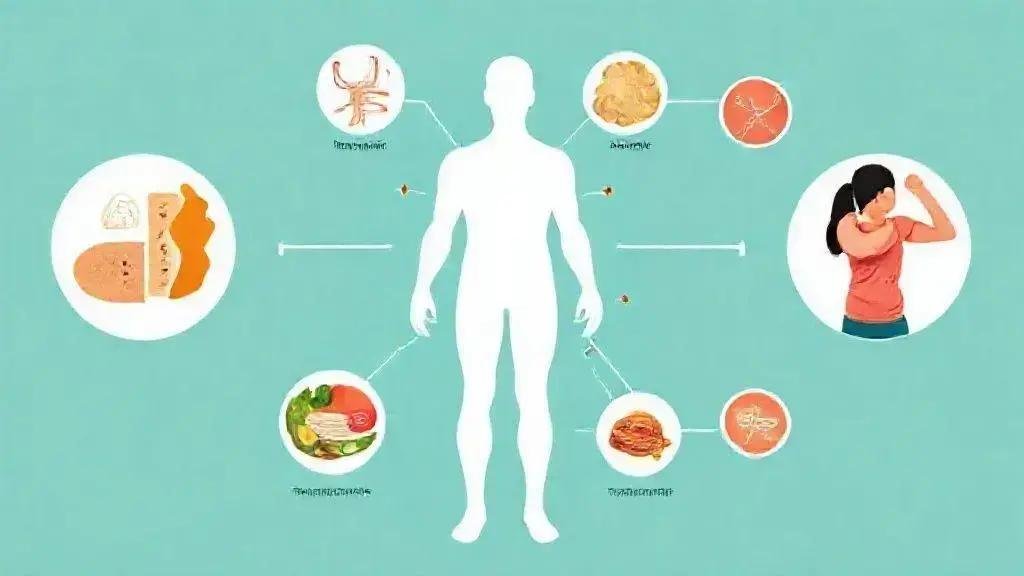
Rapid weight loss occurs when the body burns more calories than it consumes, forcing it to use stored fat for energy. This process, called a calorie deficit, is fundamental to losing weight. However, drastic calorie cuts can also result in muscle loss and slowed metabolism. Understanding how the body reacts to sudden changes helps avoid negative effects.
Role of Metabolism
Metabolism is the rate at which the body converts food into energy. When calorie intake drops sharply, the body may enter starvation mode, slowing metabolism to preserve fat. This can stall weight loss progress despite continued dieting.
Fat vs. Muscle Loss
Initially, rapid weight loss includes water weight and some muscle tissue along with fat. Maintaining a balance of nutrients and engaging in strength training can help preserve muscle mass and improve long-term results.
Hormones like leptin and ghrelin also influence hunger and fat storage, playing important roles during rapid weight loss phases.
Therefore, safe rapid weight loss combines a controlled calorie deficit with proper nutrition and physical activity to minimize risks and support sustainable results.
nutritional strategies to support losing 50 pounds
Nutrition plays a critical role in supporting the goal to lose 50 pounds in 3 months. Creating a calorie deficit through diet is essential, but it must be done carefully to ensure the body gets enough nutrients. Prioritize whole foods like vegetables, lean proteins, whole grains, and healthy fats.
Macronutrient Balance
Focus on a balanced intake of macronutrients: proteins help preserve muscle mass, carbohydrates provide energy, and fats support hormone function. A higher protein diet can enhance feelings of fullness and support metabolism during weight loss.
Meal Planning and Timing
Planning meals ahead helps avoid impulsive eating and supports consistent calorie control. Eating smaller, more frequent meals can stabilize blood sugar levels and reduce cravings.
Hydration and Fiber
Drinking plenty of water boosts metabolism and reduces hunger. Fiber-rich foods like fruits, vegetables, and whole grains promote digestion and improve satiety, which helps control calorie intake.
Limiting processed foods, sugary drinks, and excessive salt can reduce inflammation and promote better weight loss results.
importance of exercise and fitness plans

Exercise is a key component when aiming to lose 50 pounds in 3 months. Combining cardio and strength training maximizes fat loss and muscle preservation. Cardio workouts, like running or cycling, help burn calories directly, while strength training builds muscle that increases metabolism over time.
Creating a Fitness Plan
Consistency is vital. A fitness plan should include at least 150 minutes of moderate aerobic activity weekly, paired with two or more days of strength training. Breaking this into manageable sessions helps maintain motivation and prevents injury.
Benefits Beyond Weight Loss
Exercise improves cardiovascular health, boosts mood, and enhances energy levels. It also supports better sleep and helps regulate appetite, making it easier to stick to nutritional goals.
Remember to include rest days for recovery and to listen to your body to avoid burnout or injuries.
monitoring progress and staying motivated
Monitoring progress is essential for staying on track with your weight loss goals. Keeping a record of your weight, measurements, and dietary intake helps identify what works and what doesn’t. Using apps or journals can make this process easy and consistent.
Setting Milestones
Breaking your goal into smaller milestones creates achievable steps. Celebrate each milestone to keep motivation high and reinforce positive habits. This also helps prevent feeling overwhelmed by the big picture.
Accountability and Support
Having support from friends, family, or a community can boost motivation. Sharing your journey or working with a coach adds accountability and encouragement, which are powerful in maintaining commitment.
Regularly reviewing and adjusting your plan based on progress ensures sustained growth and helps overcome plateaus.
Final Thoughts on Losing 50 Pounds in 3 Months
Losing 50 pounds in 3 months is a challenging but possible goal when approached with realistic expectations, the right nutritional strategies, consistent exercise, and proper progress tracking.
It’s important to focus on healthy habits that support sustainable weight loss while listening to your body throughout the journey.
Staying motivated and flexible with your plan will help you achieve long-lasting results and improve overall well-being.
FAQ – Common Questions About Losing 50 Pounds in 3 Months
Is it safe to lose 50 pounds in 3 months?
Losing 50 pounds in 3 months is an aggressive goal and may not be safe for everyone. It’s important to consult a healthcare professional before starting any rapid weight loss program.
What is the best diet to support rapid weight loss?
A balanced diet rich in whole foods, lean proteins, vegetables, and healthy fats, while maintaining a calorie deficit, supports sustainable and healthy rapid weight loss.
How important is exercise in losing weight fast?
Exercise is crucial as it helps burn calories, preserve muscle mass, and boost metabolism. Combining cardio with strength training yields the best results.
How can I stay motivated during my weight loss journey?
Setting smaller milestones, tracking progress regularly, and seeking support from friends or a community can greatly help maintain motivation.
What should I track to monitor my weight loss progress?
Tracking weight, body measurements, food intake, and physical activity with apps or journals helps identify effective strategies and necessary adjustments.
Can rapid weight loss cause muscle loss?
Yes, without proper nutrition and strength training, rapid weight loss may lead to muscle loss. It’s important to focus on adequate protein intake and include resistance exercises.