
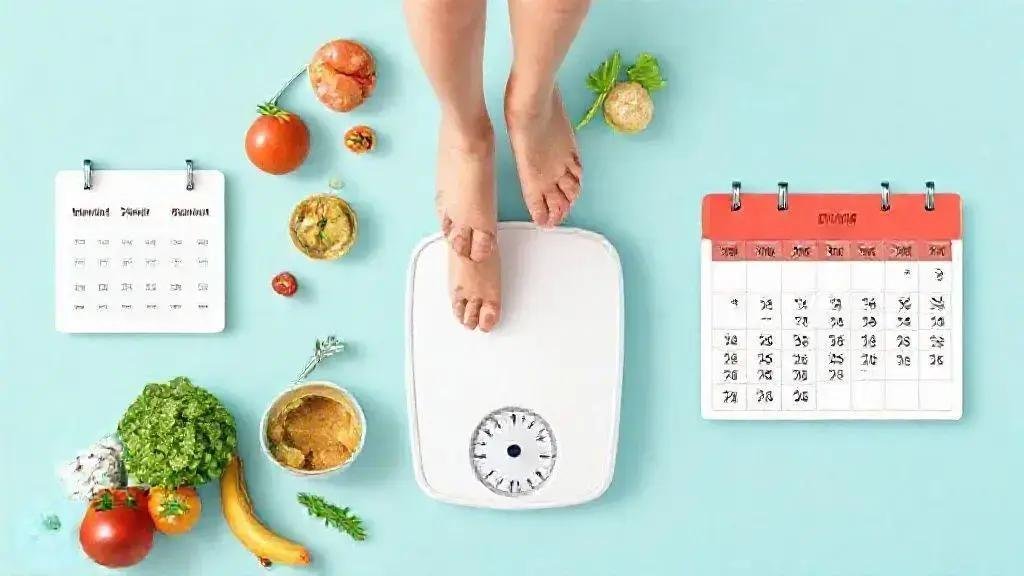
Losing 20 pounds in a month is generally unrealistic and unsafe for most people; sustainable weight loss involves gradual changes in diet, regular exercise, and healthy habits under professional guidance.
Trying to lose 20 pounds in a month? It’s a bold goal, but is it truly doable without risking your health? Let’s dig into what research and experts have to say about rapid weight loss and practical approaches to it.
understanding rapid weight loss and its risks
Rapid weight loss means losing a significant amount of weight in a short time, which can be tempting when trying to lose 20 pounds in a month. However, this approach carries health risks such as nutrient deficiencies, muscle loss, and gallstones. When the body sheds weight too quickly, it may also slow down your metabolism, making it harder to maintain the loss long-term.
Experts warn that losing more than 1-2 pounds per week can be unsafe unless medically supervised. Crash diets or extreme exercise routines often cause dehydration or fatigue, impacting daily life and overall wellness. It’s important to watch for symptoms like dizziness, irritability, or irregular heartbeat, which can signal harmful effects.
Instead, focusing on steady and sustainable changes in eating and activity gives your body time to adjust and keeps vital organs functioning well. Remember, rapid weight loss isn’t just about the scale number—it’s about health and lasting results.
role of diet and nutrition in losing weight

Your diet plays a crucial role when aiming to lose 20 pounds in a month. Eating the right foods helps create a calorie deficit while providing essential nutrients your body needs. Focus on whole foods like vegetables, fruits, lean proteins, and whole grains. Avoid highly processed foods, sugary drinks, and excessive amounts of saturated fats.
Balancing Macronutrients
Carbohydrates, proteins, and fats all have important roles. Increasing your intake of lean protein supports muscle retention during weight loss. Reducing excessive carbohydrates, especially refined sugars, can help reduce calorie intake. Healthy fats from sources like nuts, seeds, and olive oil aid in feeling satisfied.
Meal Timing and Portion Control
Eating smaller, frequent meals can help control hunger and maintain energy levels. Portion control is key to avoid overeating even healthy foods. Consider using smaller plates and measuring serving sizes to stay on track.
Drinking plenty of water is important to support metabolism and reduce cravings. Also, limiting alcohol consumption helps avoid extra calories that hinder weight loss progress.
impact of exercise on fast weight loss
Exercise plays a vital role in achieving fast weight loss, including goals like losing 20 pounds in a month. It helps increase the number of calories you burn each day, supporting a calorie deficit which is necessary for weight loss.
Types of Exercise to Consider
Cardiovascular exercises like running, cycling, or swimming boost your heart rate and burn calories quickly. These workouts are effective for fat loss when done regularly.
Strength training is equally important. Building muscle through activities like weightlifting or bodyweight exercises helps improve metabolism, as muscle tissue burns more calories even at rest.
Combining Exercise with Diet
Exercise alone may not lead to significant weight loss if your diet is not managed well. Combining consistent physical activity with a healthy diet maximizes results and promotes fat loss instead of just water or muscle weight.
It’s important to listen to your body to avoid injury, especially when increasing workout intensity rapidly. Rest and recovery are key parts of an effective exercise routine.
scientific studies on losing 20 pounds in a month

Several scientific studies have explored the possibility and effects of losing 20 pounds in a month. Most research agrees that while rapid weight loss is achievable for some, it depends greatly on individual factors like starting weight, metabolism, and adherence to strict diet and exercise plans.
Evidence from Clinical Trials
Studies often show that losing more than 4-5 pounds per week is challenging and may not be sustainable or safe for everyone. Some clinical trials involve very low-calorie diets combined with medical supervision, which can result in fast weight loss but are not suitable for general use.
Health Impact Findings
Research highlights that extreme weight loss can lead to muscle loss, nutrient deficiencies, and metabolic slowdown. Sustainable weight loss tends to improve long-term health outcomes more effectively.
Experts recommend setting realistic goals based on scientific guidelines, emphasizing gradual loss to maintain muscle and metabolic health while reducing fat. This approach may not reach 20 pounds in 30 days but supports lasting success.
tips to lose weight safely and sustainably
To lose weight safely and sustainably, focus on creating healthy habits that you can maintain over time. Avoid extreme diets or quick fixes that promise fast results but often lead to rebound weight gain.
Set Realistic Goals
Instead of aiming to lose 20 pounds in a month, consider smaller, achievable targets like 1-2 pounds per week. This pace supports steady fat loss while preserving muscle and metabolic health.
Adopt Balanced Nutrition
Eat a variety of nutrient-dense foods including vegetables, fruits, whole grains, lean proteins, and healthy fats. Portion control and mindful eating help prevent overeating without strict restrictions.
Incorporate Regular Exercise
Combine both cardio and strength training to burn calories and build muscle. Consistency is more important than intensity, so find activities you enjoy and can do regularly.
Prioritize Sleep and Stress Management
Poor sleep and high stress can affect hormones that regulate hunger and fat storage. Aim for 7-9 hours of quality sleep and use relaxation techniques to manage stress.
Staying hydrated, tracking your progress, and seeking support from friends or professionals can further improve your commitment and success on your weight loss journey.
Is losing 20 pounds in a month realistic?
Losing 20 pounds in a month is a very ambitious goal and may not be safe or sustainable for most people. While rapid weight loss is possible under certain conditions, it’s important to prioritize your health and focus on steady progress.
By combining a balanced diet, regular exercise, and healthy lifestyle habits, you can achieve meaningful weight loss that lasts. Consult with healthcare professionals before starting any extreme weight loss plan to ensure it’s appropriate for your individual needs.
Remember, the key to successful weight loss is consistency and making changes that fit your life long-term, not just quick fixes.
FAQ – Common Questions About Losing 20 Pounds in a Month
Is it safe to lose 20 pounds in a month?
Losing 20 pounds in a month is generally not considered safe or sustainable for most people. Rapid weight loss can cause health issues and should be supervised by a healthcare professional.
What diet changes should I make to lose weight fast?
Focus on eating whole foods like vegetables, fruits, lean proteins, and whole grains while avoiding processed foods, sugary drinks, and excess fat. Portion control is also important.
How important is exercise in fast weight loss?
Exercise helps increase calorie burn and supports muscle retention. Combining cardio and strength training is most effective for losing weight quickly and healthily.
Can I follow a crash diet to lose 20 pounds quickly?
Crash diets may lead to rapid weight loss but are often unhealthy and unsustainable. They can cause nutrient deficiencies and muscle loss, making long-term success difficult.
How can I lose weight safely and keep it off?
Set realistic goals, eat a balanced diet, exercise regularly, manage stress, and get enough sleep. Consistency and gradual progress are key to sustainable weight loss.
Should I consult a doctor before trying to lose weight fast?
Yes, consulting a healthcare professional before starting any rapid weight loss plan is important to ensure it’s safe and suitable for your individual health needs.