

Losing 20 pounds in 30 days requires aggressive calorie deficit, combining a healthy diet with high-intensity exercise, but it carries health risks and is generally unsustainable without professional guidance.
Ever wondered if you can lose 20 pounds in 30 days without risking your health? The promise is tempting, but the reality often hides challenges and surprises. Let’s dig into what rapid weight loss truly involves.
understanding rapid weight loss and its risks
Rapid weight loss refers to losing a significant amount of body weight in a short period, often through extreme diets or intense exercise. While it might sound appealing, losing weight too quickly can pose serious health risks.
One major concern is muscle loss instead of fat loss, which can weaken your body and slow down your metabolism. Rapid weight loss may also cause nutrient deficiencies because some diets drastically reduce calorie intake or eliminate food groups.
Other risks include dehydration, gallstones, and irregular heart rhythms. In some cases, quick weight loss can affect mental health, leading to mood swings or unhealthy eating behaviors.
It’s important to understand that healthy weight loss generally occurs at a rate of 1 to 2 pounds per week. Losing 20 pounds in just 30 days far exceeds this, often requiring methods that are not sustainable or safe.
Why Slow and Steady Wins
Slow weight loss helps preserve muscle mass and supports long-term lifestyle changes. It encourages balanced eating patterns and regular physical activity, which improve overall health beyond just the number on the scale.
Before trying rapid weight loss, consider consulting a healthcare professional to ensure your approach is safe. Remember, the goal is not just to lose weight fast, but to maintain a healthy weight for life.
realistic expectations: what science says about losing 20 pounds in a month
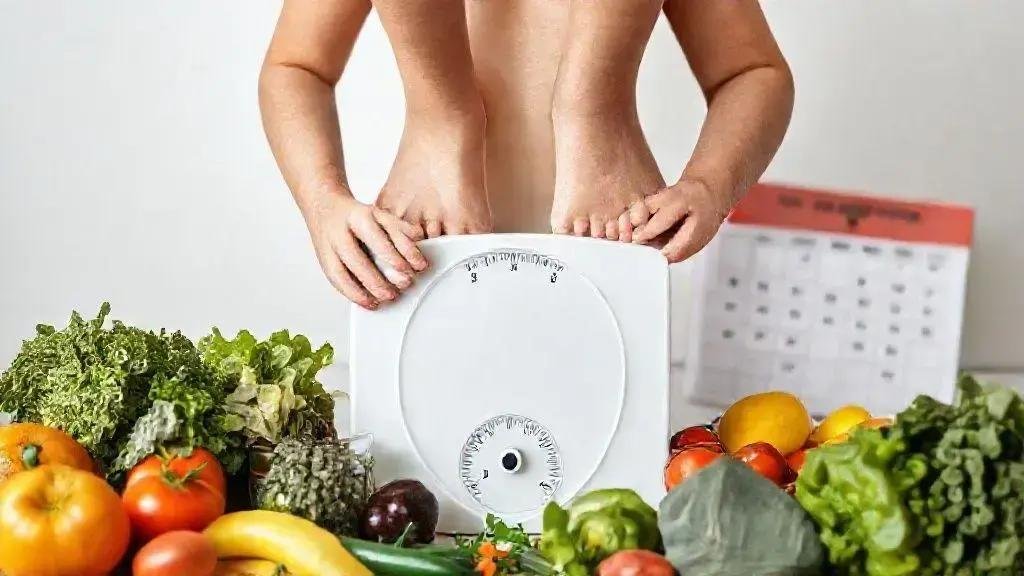
Science shows that losing 20 pounds in a month is an extremely aggressive goal for most people. The generally accepted safe weight loss rate is about 1 to 2 pounds per week, which totals 4 to 8 pounds in a month.
This is because rapid weight loss often comes from water loss, muscle breakdown, or low caloric intake rather than fat loss. Sustainable fat loss requires a consistent calorie deficit, balanced nutrition, and physical activity over time.
Factors Affecting Weight Loss
Individual factors like age, metabolism, starting weight, and activity level all influence how fast someone can lose weight. People with more fat to lose might see faster initial results, while others experience slower progress.
Crash diets and extreme exercise routines may produce quick results but are hard to maintain and can be harmful. They often lead to rebound weight gain once normal habits return.
Setting Realistic Goals
Setting achievable goals based on your body and lifestyle leads to better long-term success. Instead of focusing on rapid results, prioritize habits like eating nutrient-rich foods, staying hydrated, and exercising regularly.
Remember, sustainable weight loss improves not just your appearance but your overall health and energy levels.
healthy diet approaches to support weight loss
Adopting a healthy diet is essential for effective and sustainable weight loss. Focus on nutrient-dense foods that provide vitamins, minerals, and fiber while keeping calories in check.
Include a Variety of Whole Foods
Eat plenty of vegetables, fruits, lean proteins like chicken and fish, whole grains, and healthy fats such as avocados, nuts, and olive oil. These foods help you feel full longer and support overall wellbeing.
Control Portion Sizes
Even healthy foods can lead to weight gain if eaten in large quantities. Use smaller plates or measure servings to avoid overeating. Be mindful of snacking and try to choose low-calorie options.
Limit Added Sugars and Processed Foods
Foods high in added sugar, refined grains, and unhealthy fats can sabotage weight loss efforts. Reduce consumption of sugary drinks, fast food, desserts, and packaged snacks.
Stay Hydrated and Plan Meals
Water supports metabolism and can reduce hunger. Drinking enough water before meals can help control appetite. Planning meals ahead avoids impulsive eating and keeps your diet balanced.
Consistency is key—small, healthy changes over time create lasting results without feeling deprived.
effective exercise routines for rapid fat loss

Effective exercise routines for rapid fat loss focus on combining cardio and strength training to maximize calorie burn and preserve muscle mass. High-Intensity Interval Training (HIIT) is a popular method that alternates short bursts of intense activity with recovery periods.
Benefits of HIIT
HIIT workouts can burn more calories in less time compared to steady-state cardio. They also boost metabolism for hours after exercising, aiding fat loss even when at rest.
Strength Training Importance
Incorporating strength training builds muscle, which increases resting metabolic rate. Muscle uses more energy than fat, so maintaining muscle during weight loss helps you burn more calories daily.
Sample Routine Components
A balanced routine might include 3-4 HIIT sessions per week mixed with 2-3 strength training workouts focusing on large muscle groups like legs, back, and chest.
Consistency and progression are key. Gradually increase workout intensity or duration to avoid plateaus and keep challenging your body.
Always allow time for recovery and listen to your body to help prevent injury and maintain motivation.
mental health and lifestyle changes during aggressive weight loss
Aggressive weight loss can deeply affect mental health and lifestyle. Rapid changes in diet and exercise routines may lead to stress, anxiety, or low mood due to the body’s physical and emotional strain.
Psychological Effects
Feelings of frustration or disappointment can occur if rapid weight loss goals are not met. It’s common to experience mood swings or irritability caused by calorie restriction and hormonal shifts.
Importance of Support
Having a strong support system, whether from friends, family, or professionals, helps maintain motivation and emotional balance. Sharing your journey can reduce feelings of isolation.
Healthy Lifestyle Habits
Prioritize sleep, stress management, and mindfulness practices like meditation or yoga. These activities reduce negative emotions and improve focus on your goals.
Balanced lifestyle changes ensure that weight loss does not come at the cost of mental well-being. Monitoring your emotional health during intense weight loss helps create sustainable habits for lasting success.
Key Takeaways on Rapid Weight Loss
Losing 20 pounds in 30 days is a challenging goal that requires careful planning and awareness of the risks involved. Understanding the science behind weight loss and setting realistic expectations helps create healthy habits and avoid harmful methods.
Focusing on a balanced diet, effective exercise, and mental well-being supports not only weight loss but also long-term health. Remember, small consistent changes lead to sustainable results.
Always prioritize your body and mind, and consult healthcare professionals before making aggressive changes. This approach will help you achieve your goals safely and maintain them for life.
FAQ – Common Questions About Losing 20 Pounds in 30 Days
Is it safe to lose 20 pounds in 30 days?
Losing 20 pounds in 30 days is generally considered aggressive and can pose health risks. It is important to consult a healthcare professional before attempting rapid weight loss.
What is a realistic amount of weight to lose in a month?
A safe and realistic weight loss goal is about 1 to 2 pounds per week, which totals 4 to 8 pounds per month.
What kind of diet supports rapid weight loss?
A balanced diet rich in whole foods like vegetables, fruits, lean proteins, whole grains, and healthy fats supports weight loss and overall health.
How important is exercise for losing weight quickly?
Exercise, especially combining cardio and strength training like HIIT, helps burn calories, preserve muscle mass, and boost metabolism for quicker fat loss.
How does rapid weight loss affect mental health?
Rapid weight loss can increase stress, mood swings, and anxiety. It’s important to prioritize mental well-being with support, proper sleep, and stress management.
Can rapid weight loss results be maintained long-term?
Rapid weight loss is often hard to maintain. Sustainable habits, including balanced eating, regular exercise, and lifestyle changes, are key to long-term success.